Since 2020, CIMA Research Foundation has been working in Mozambique to strengthen the country’s capacity to anticipate risks associated with tropical cyclones and floods. The work, initiated together with WeWorld through the projects “Building inclusive resilient communities and schools to face rapid-onset hazards in risk-prone areas in Mozambique” and “REDE EDUCAMA”, funded by European Civil Protection and Humanitarian Aid Operations (ECHO), is carried out in close cooperation with Mozambican institutions, international partners and donors. In particular, with the Instituto Nacional de Gestão e Redução do Risco de Desastres (INGD), the Direcção Nacional de Gestão de Recursos Hídricos (DNGRH) and the Instituto Nacional de Meteorologia (INAM).
At the heart of the work is one objective: to transform scientific knowledge into operational tools useful for decision-making. Observations, meteorological and hydrological forecasts, and exposure data are integrated to understand not only where and when an event might occur, but also what consequences it might have for people and territories.
Since 2024, this work has been consolidated through Ready2Act, funded by the Italian Ministry of Foreign Affairs and International Cooperation through the Italian Agency for Development Cooperation and developed under the strategic supervision of the Italian Department of Civil Protection. Through systems such as myDewetra and Flood-PROOFS Mozambique, and thanks to participation in working groups dedicated to strengthening the link between Early Warning and Early Action in the country, CIMA Research Foundation contributes to transforming data and forecasts into operational information for decision-makers.
The inauguration of the operational centres of the National Institute for Disaster Risk Management (INGD) in Maputo and Sofala (Beira), established under Ready2Act and in cooperation with Mozambican institutions, represents a further step forward in strengthening the national early warning system. Together with technical training and exercises, these facilities help consolidate institutional capacities for sharing data and information, operational coordination and the use of forecasts to anticipate impacts. Their connection with the Africa Multi-Hazard Early Warning and Early Action System (AMHEWAS) and the SADC Humanitarian and Emergency Operations Centre (SHOC) also facilitates the integration of the Mozambican system into regional and continental mechanisms for early warning, coordination and emergency response.
Also since 2024, the work has expanded to urban flood risk mapping with the World Food Programme, under the Regional Urban Preparedness project funded by ECHO. Since 2026, it has also included the assessment of the effects of floods on urban mobility through the RE2CLID project, funded by the European Union and implemented with the World Food Programme (WFP) and the International Organization for Migration (IOM).
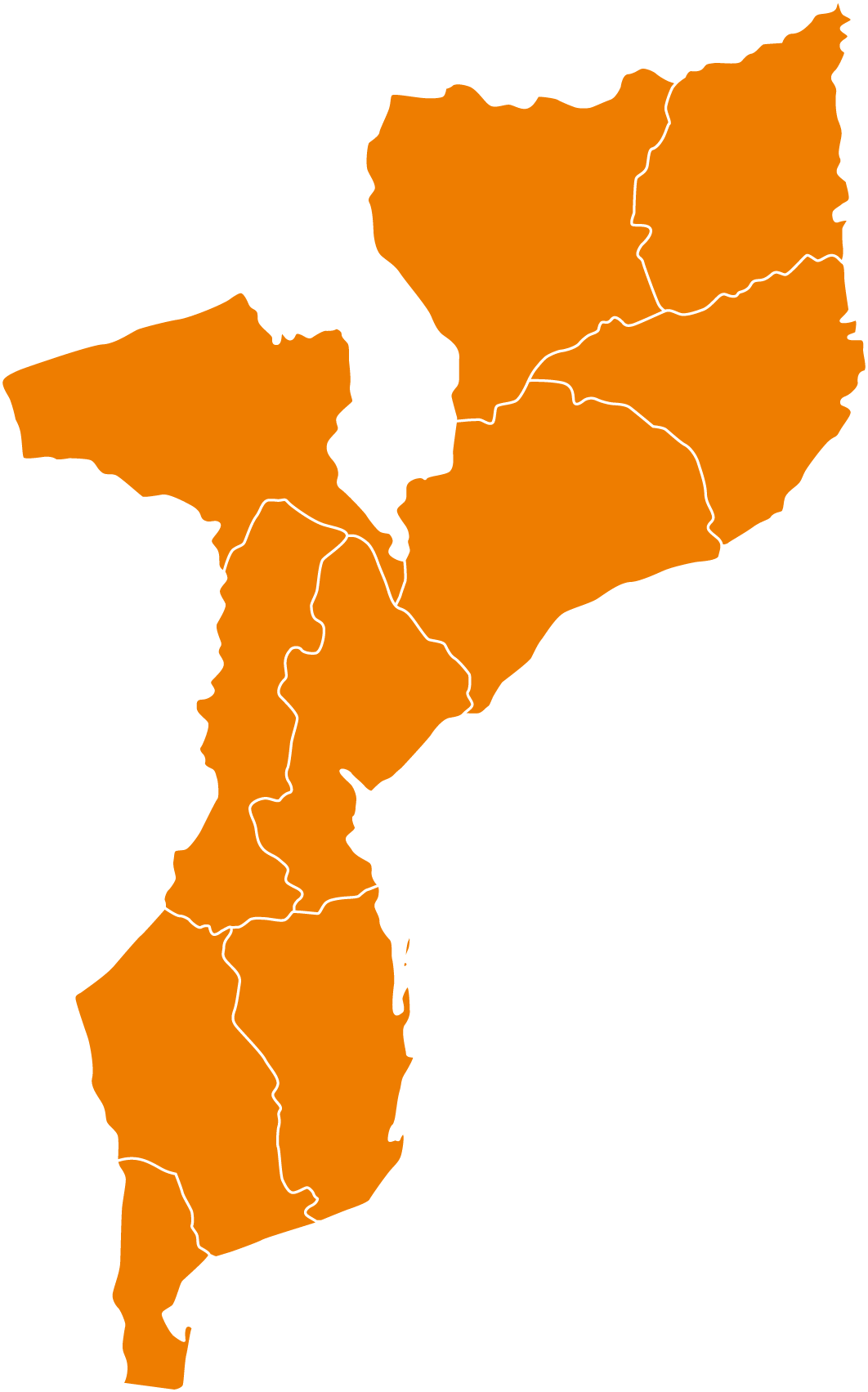
From national and provincial operational centres to cooperation with early warning networks, CIMA’s work is developing at multiple scales. Regional-scale activities, such as “Fostering Community Resilience in Southern Africa by Strengthening Urban Preparedness Systems” (SAUP), and local-scale activities in Sofala and Zambezia, carried out with WFP and IOM, contribute to the same objective: building an increasingly integrated system in which scientific expertise, technological tools and institutional coordination work together to transform early warning into anticipatory action, strengthening the capacity to protect communities exposed to risk.



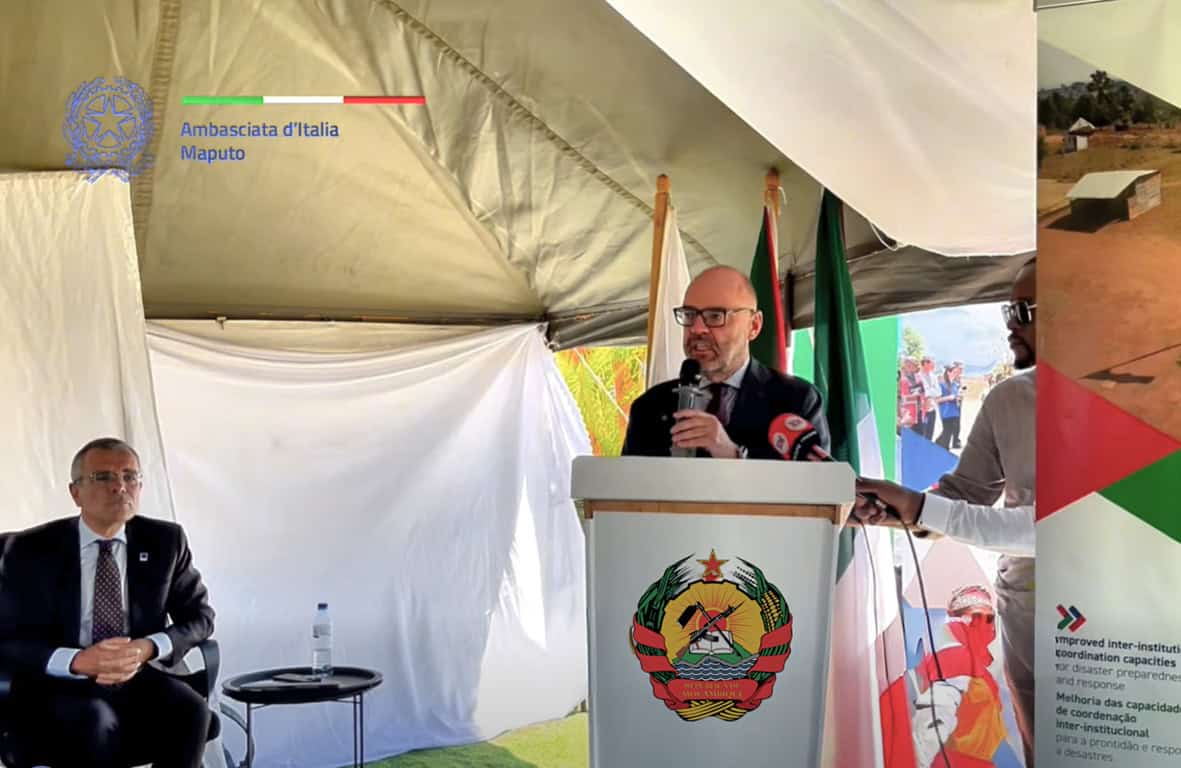
Inauguration of the New Situation Room at the Emergency Operations Centre of Sofala Province
Mozambique's first provincial Situation Room integrated with the national system and connected to the African early warning network AMHEWAS, a concrete achievement of the Ready2Act project that complements the National Situation Room in Maputo.
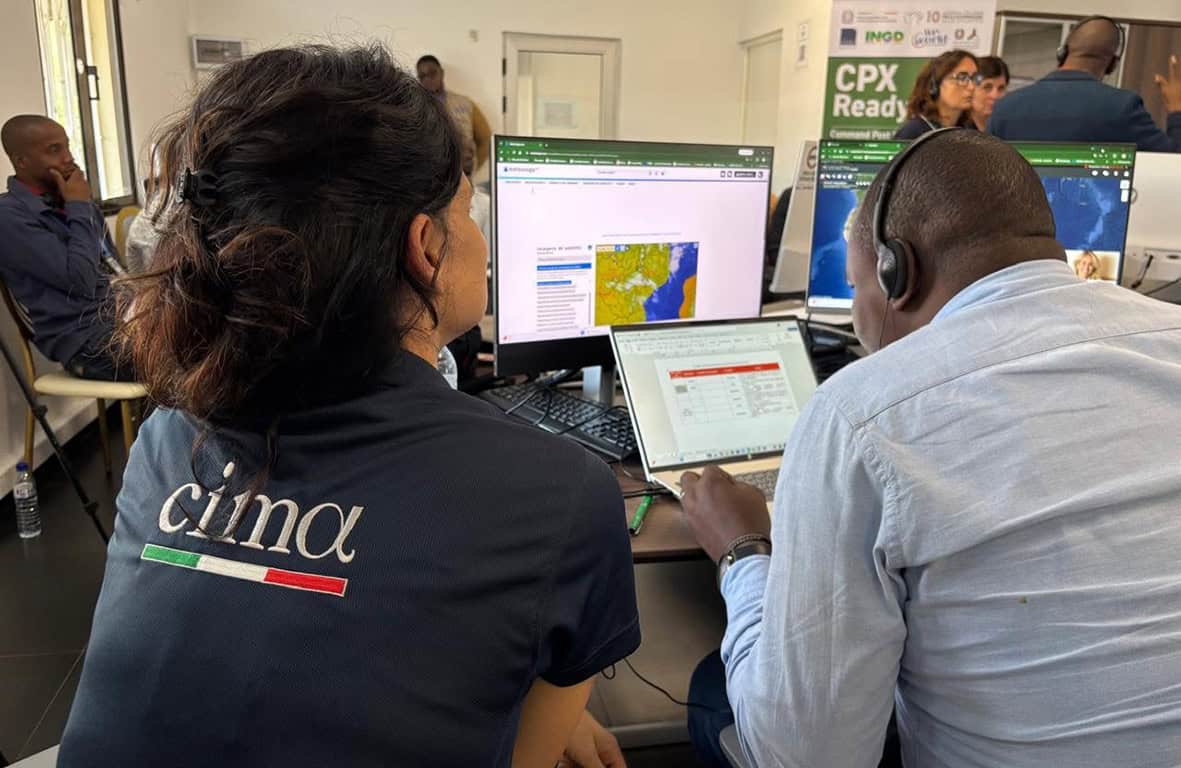
Two Operations Rooms More Than 1,000 Kilometres Apart. A Single Flow of Information. A Single Decision-Making Chain.
On 7 and 8 July, a national exercise in Mozambique tested the capacity to turn data into decisions, simultaneously involving the National Emergency Operations Centre (CENOE) in Maputo and the provincial operations room in Sofala, Beira.
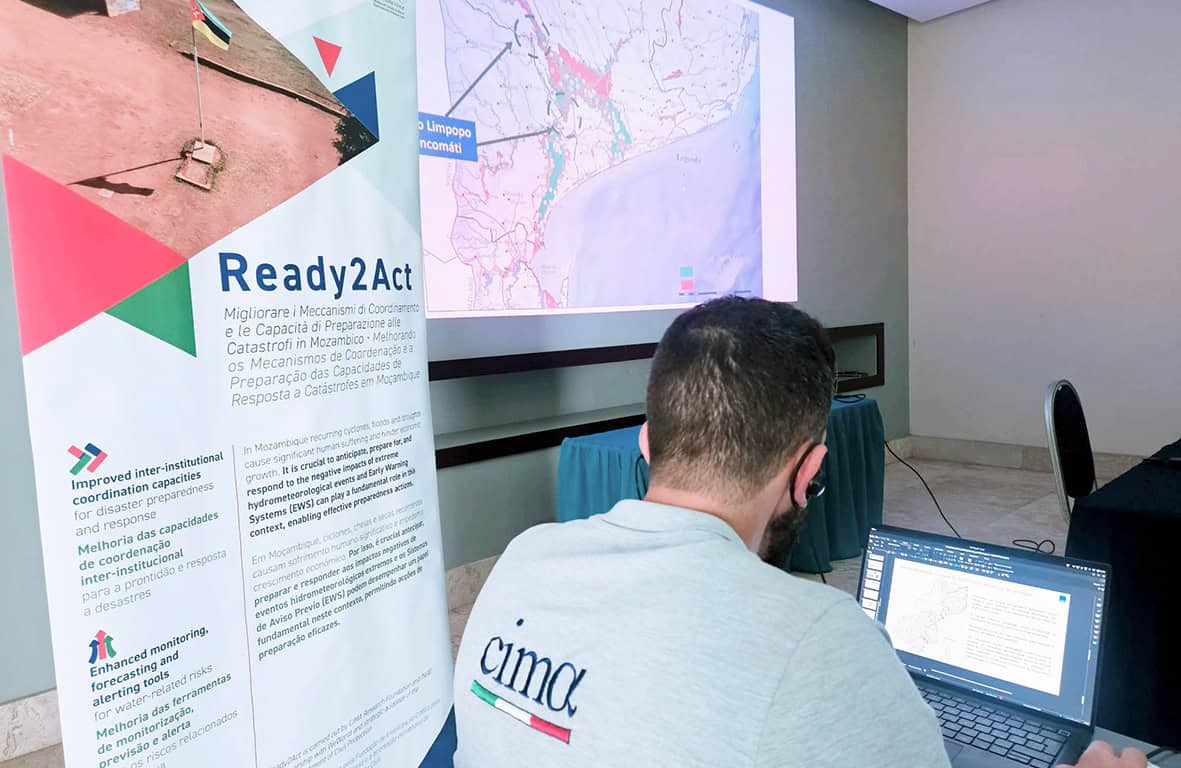
Monitoring an Extreme Weather Event
The connection between data, models and operational capacities is the focus of the training sessions conducted by our researchers in Maputo as part of the Ready2Act project.
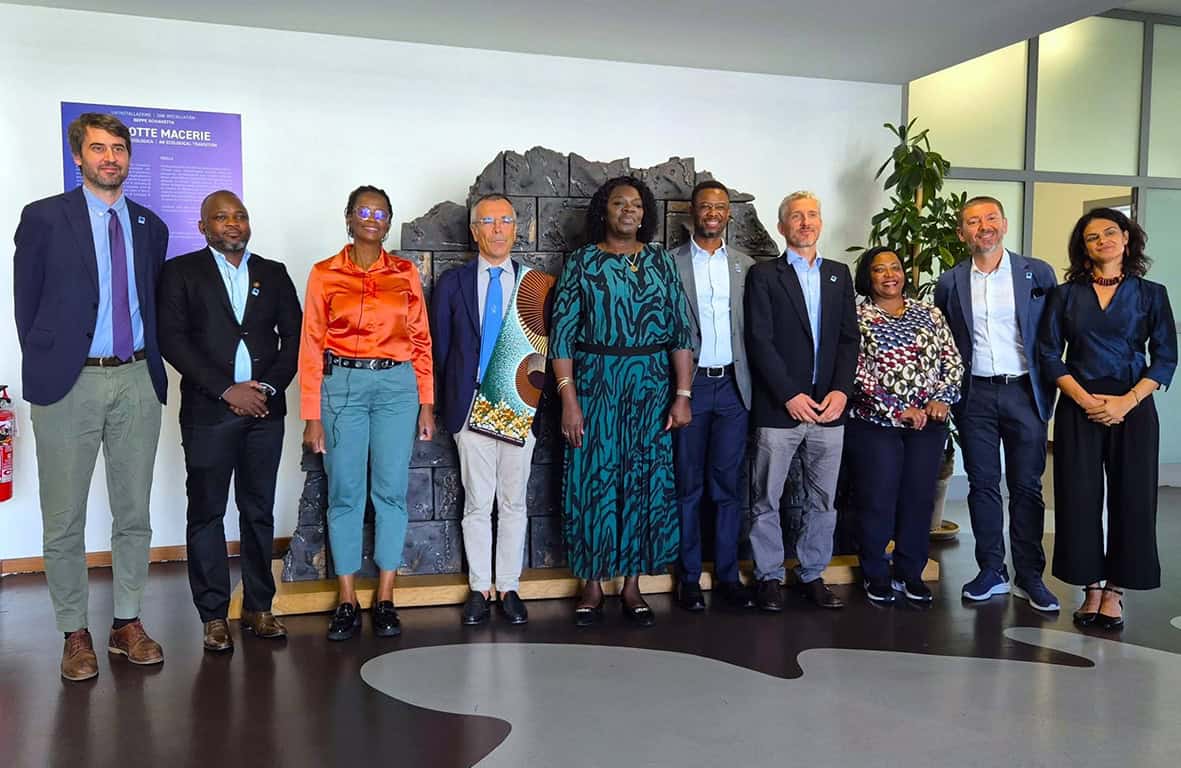
Visit of the High-Level Delegation from Mozambique
To the Italian Civil Protection System, with a day in Savona entirely dedicated to CIMA Research Foundation. The focus: inter-institutional coordination, multi-hazard early warning, operational protocols, data integration and the development of shared procedures.
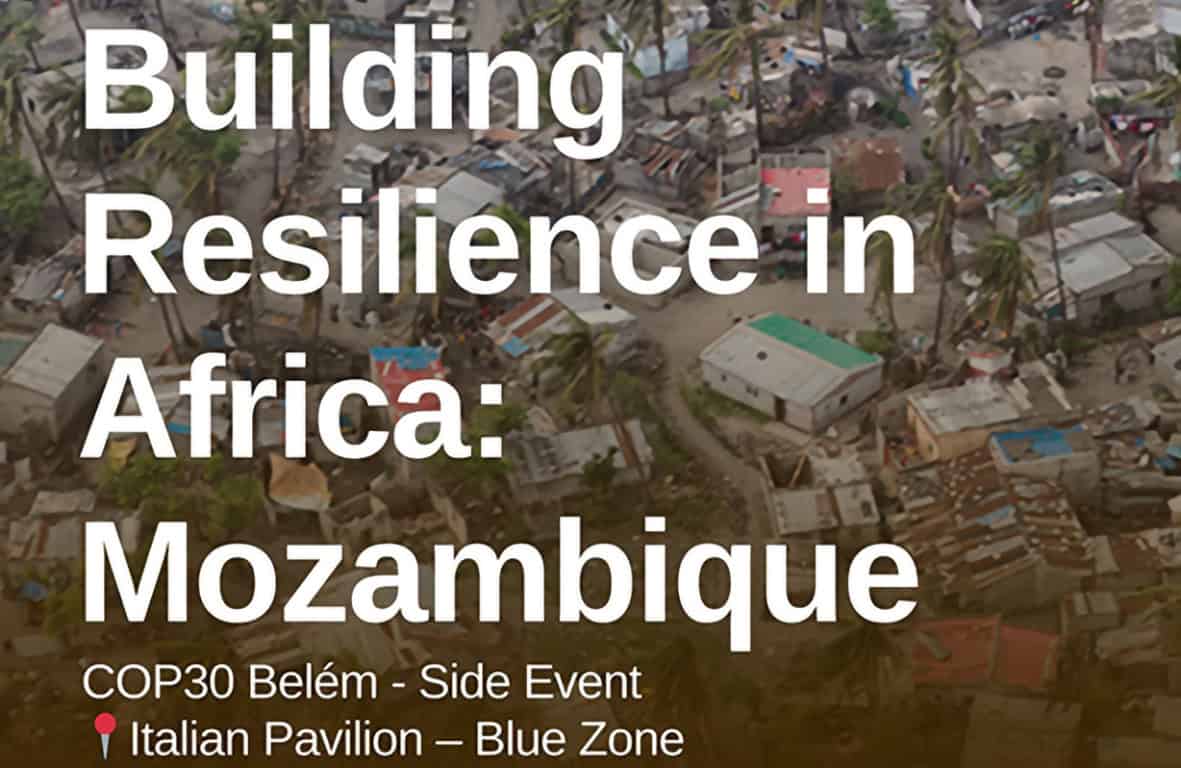
Risk Science and International Cooperation at COP30 Brazil
Luca Ferraris, President of CIMA Research Foundation, spoke at the high-level side event Building Resilience in Africa: Mozambique, where the AMHEWAS network of Situation Rooms and the Ready2Act project were presented. An opportunity to highlight the role of early warning systems and the strength of global cooperation in disaster risk reduction.
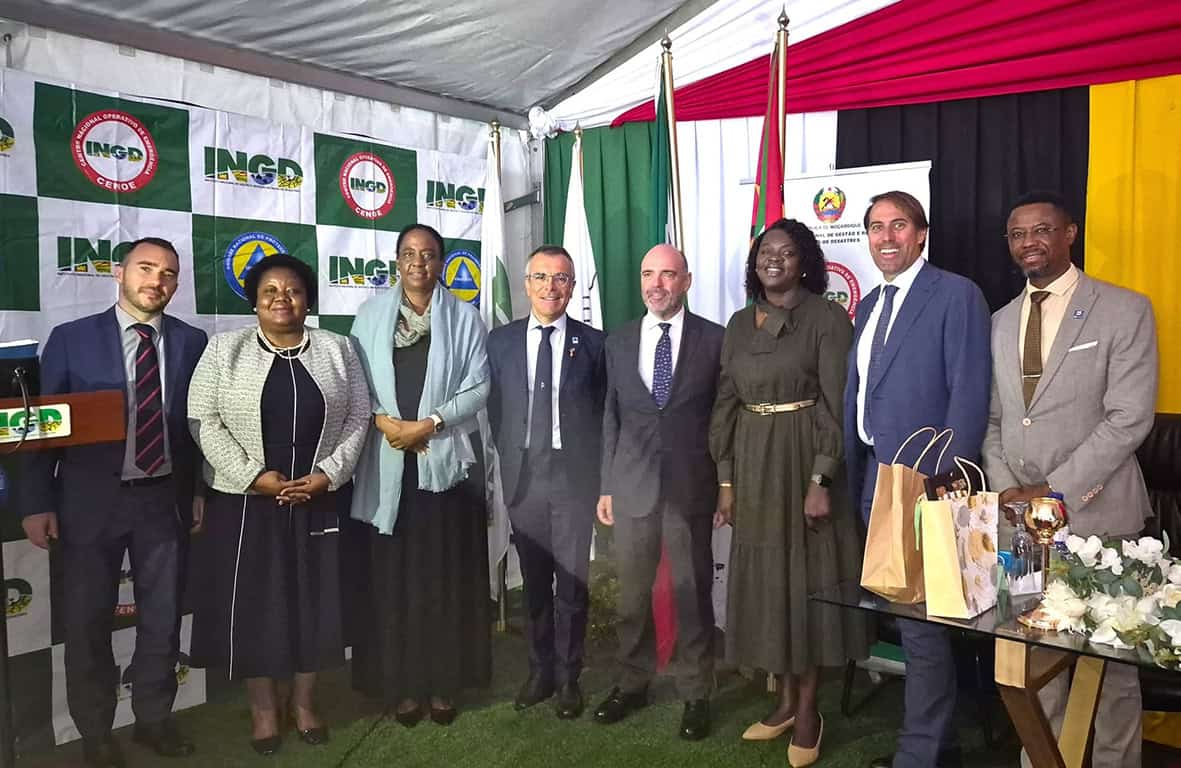
Inauguration of the Sala de Situações at CENOE in Maputo
The new Situation Room is an advanced operational centre serving the Mozambican Civil Protection System, designed to improve national coordination and response capacity for hydro-meteorological emergencies. Mozambique's integration into the AMHEWAS network represents a strategic step towards increasingly structured transnational cooperation.
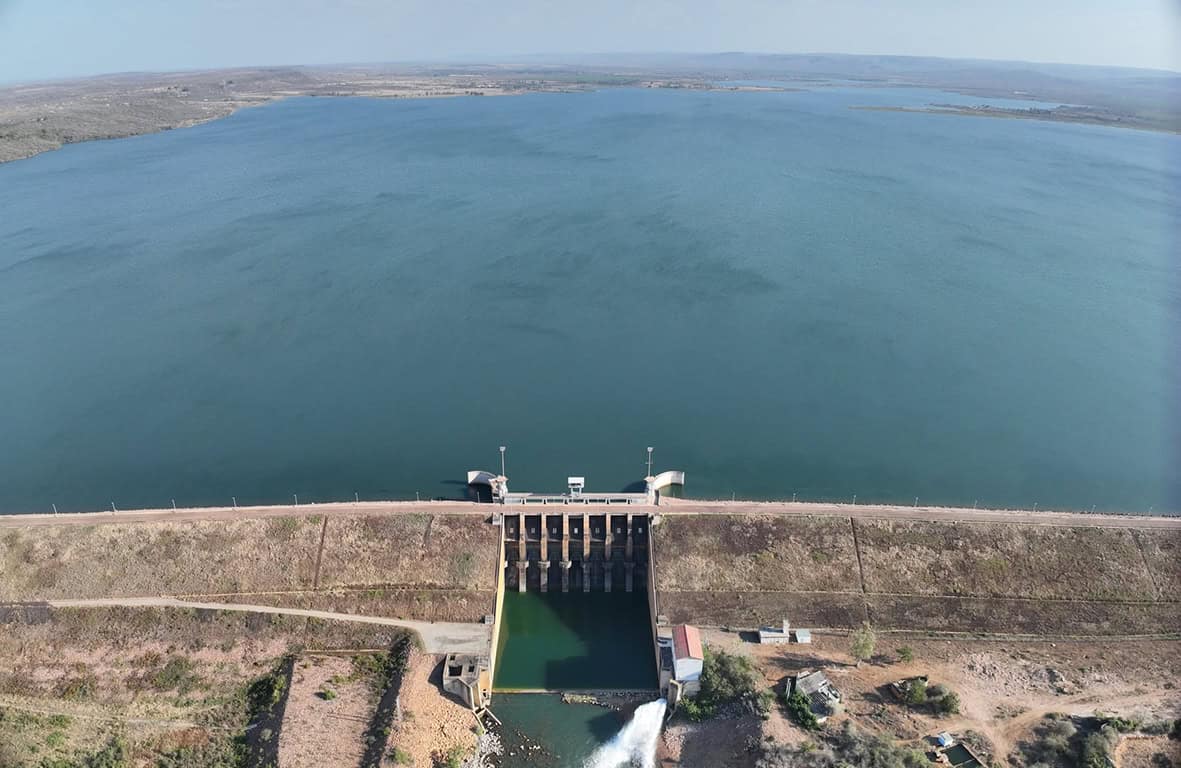
The potential of using drones in the field
The possibility of acquiring high-resolution data on features of the territory of significant hydraulic interest, such as dams, canals, floodplains, bridges and embankments, which are essential for water resources management and, at the same time, for managing the associated risk.
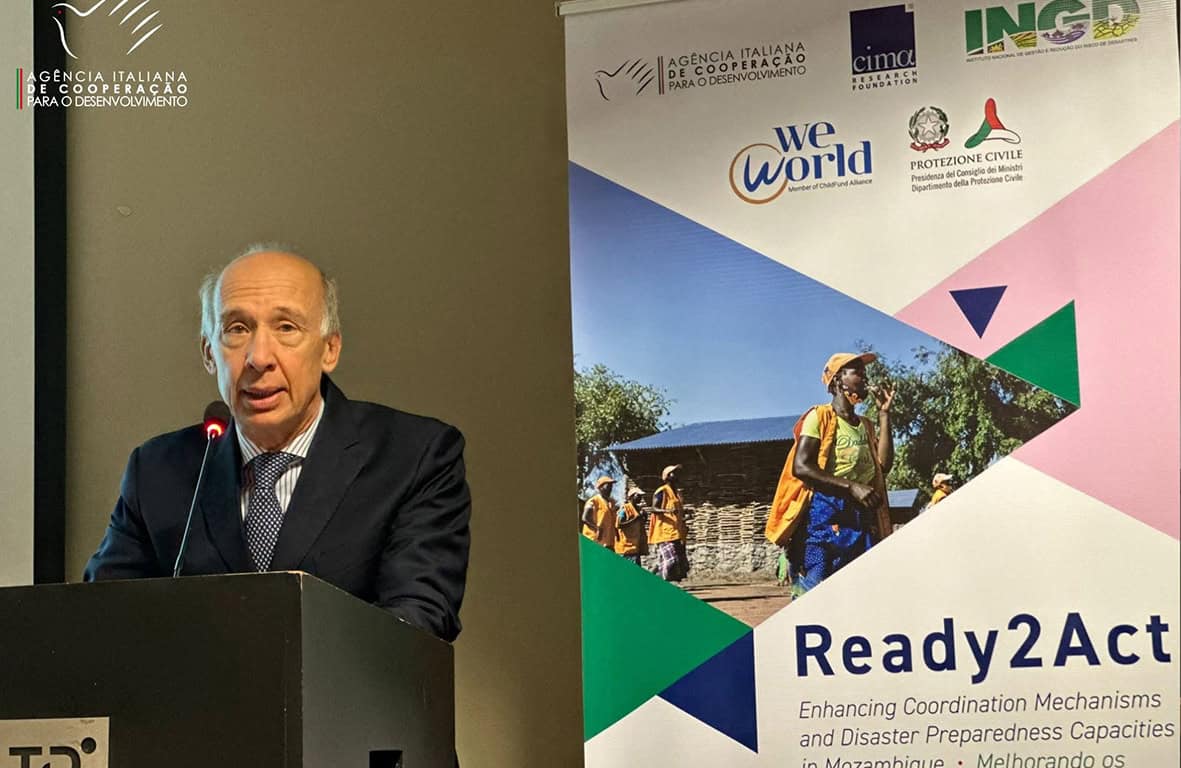
Ready2Act Project Launch Event
The Ready2Act project was established to strengthen the early warning system in Mozambique through a process of technology transfer, training and institutional capacity strengthening, developed with the Instituto Nacional de Gestão e Redução do Risco de Desastres (INGD).
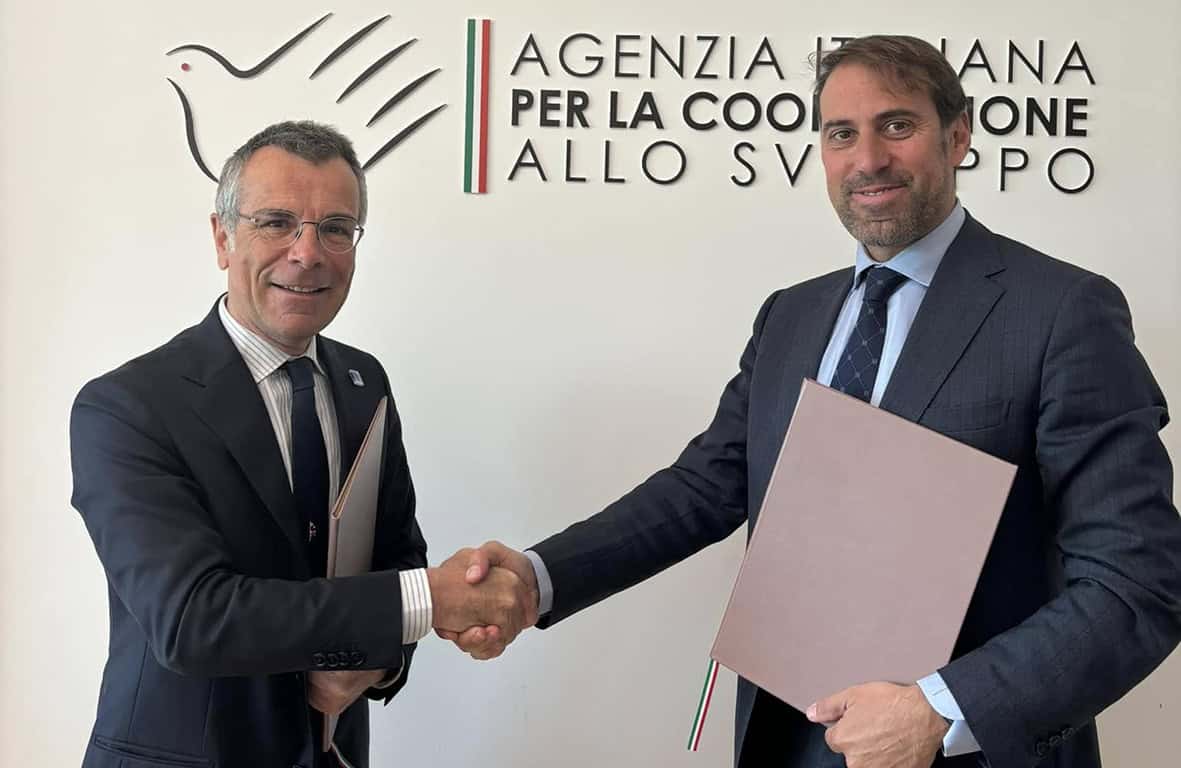
Signing of the Ready2Act Agreement with AICS
An initiative aimed at strengthening the early warning system in Mozambique through a process of technology transfer, training and institutional capacity strengthening, developed with INGD.
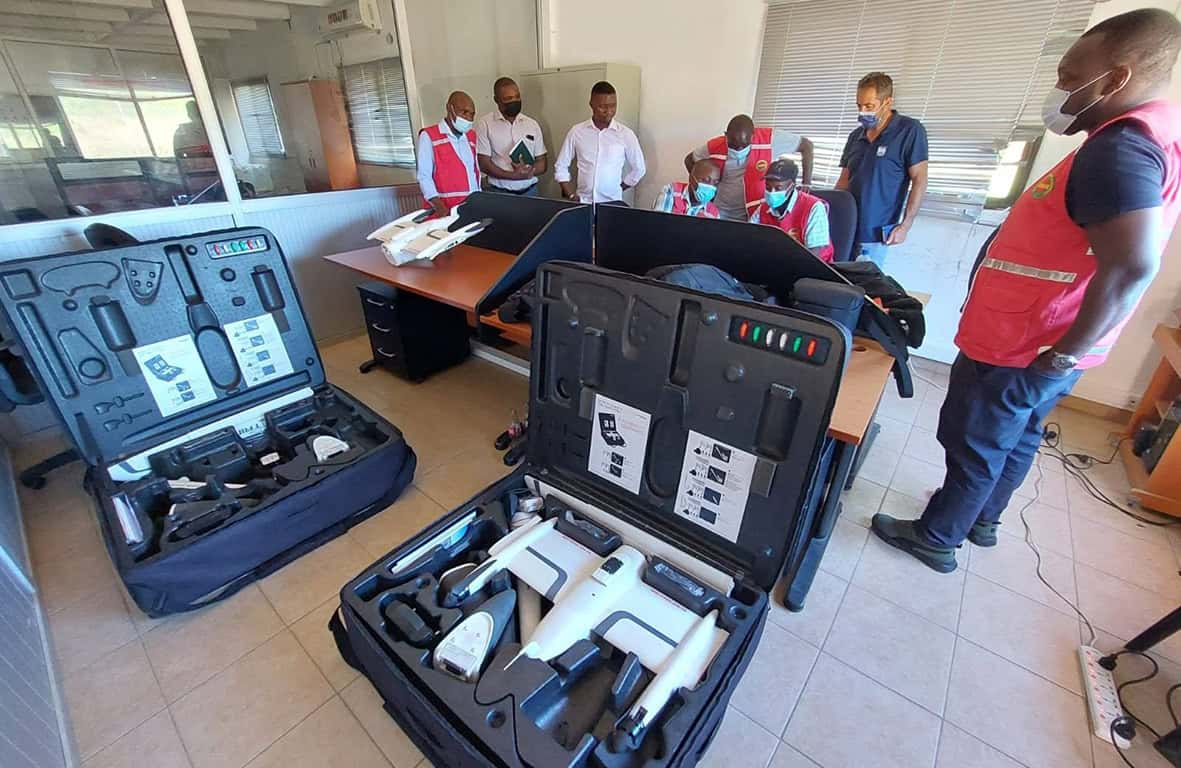
Drone Survey Operations under the REDE-EDUCAMA Project
The objective is to obtain the topographic base data needed to develop an urban flood forecasting model and thus guide emergency planning in a vulnerable context such as the city of Pemba, which has been particularly affected by cyclonic events.
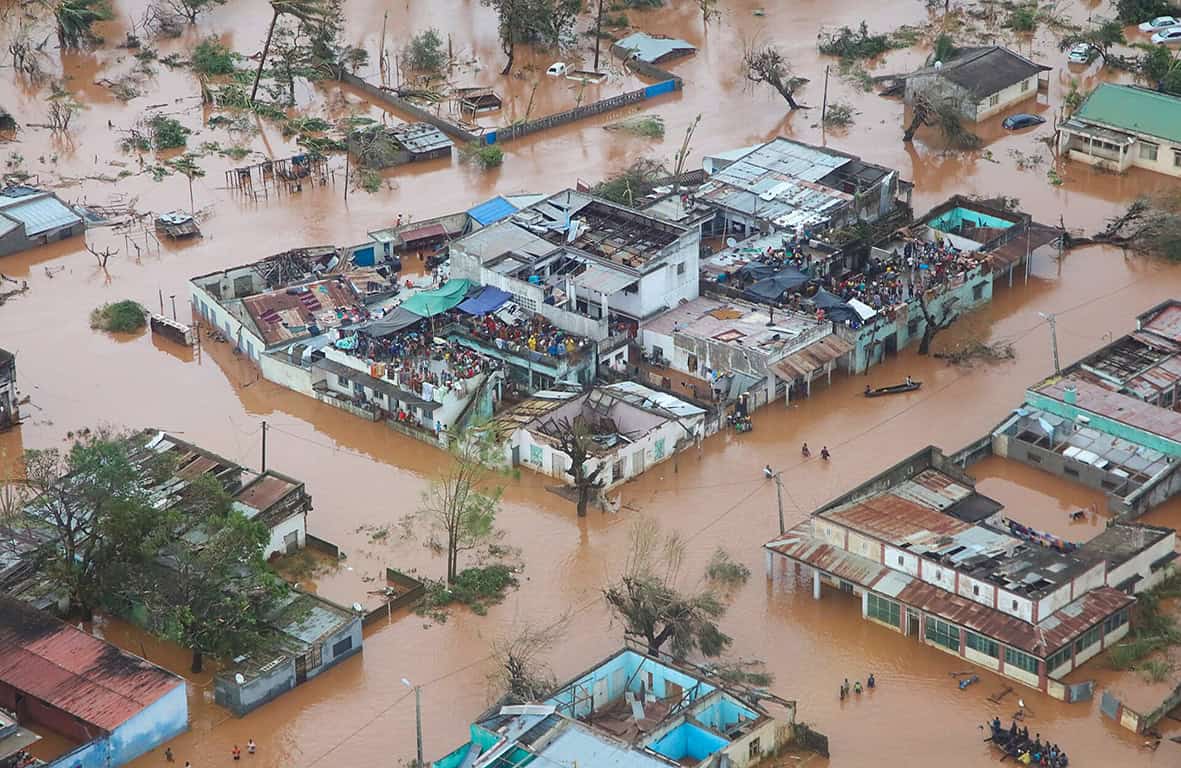
Building inclusive resilient communities and schools to face rapid-onset hazards in risk-prone areas in Mozambique affected by cyclone Idai, strengthening the link early warning to early action
The project focused on the central provinces of Manica and Sofala, particularly on the Buzi River basin, where the 2019 flood (caused by Cyclone Idai) inundated a vast area and caused extensive damage. Project activities were carried out at both the local operational level and the central technical level.


