
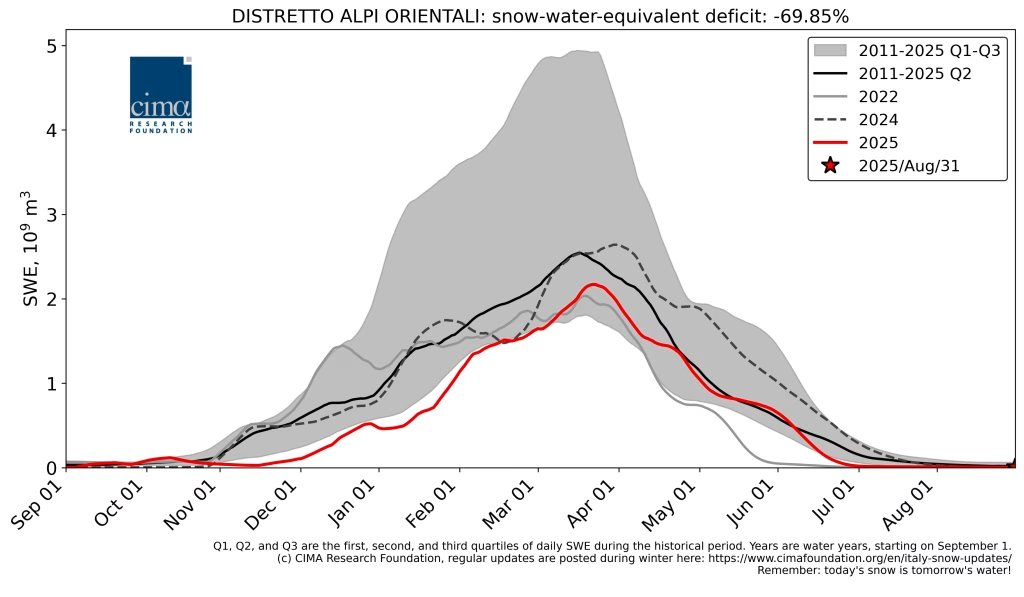
If the atmosphere showed its contradictions, the mountains offered another key to reading the season. Summer began with conditions already below average both in the North and—more severely—in Central Italy, as already anticipated here.
In the North, despite a slowdown in melt observed in May and again in July, snow reserves depleted about one month earlier than the historical average. This speed and the resulting earlier depletion were the result of below-average conditions already at the time of peak spring accumulation, which reduced the total amount available, despite an overall melt rate in line with the historical record.
The situation was even more drastic in Central Italy, where persistent snow scarcity led to the end of the melt season almost two months early, leaving entire areas without the expected summer input.
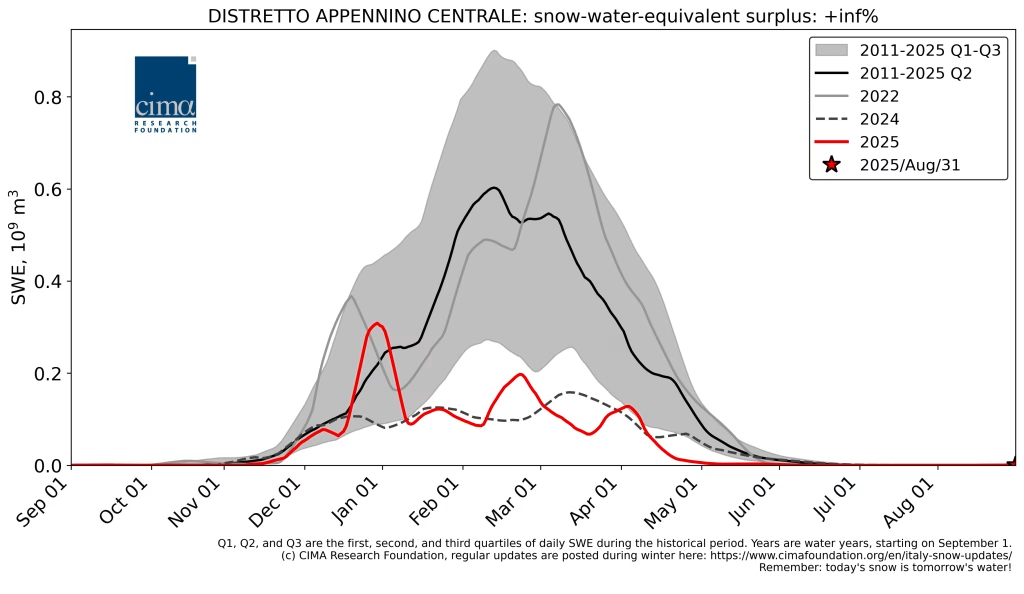
respectively, the median over the historical period and interannual variability.
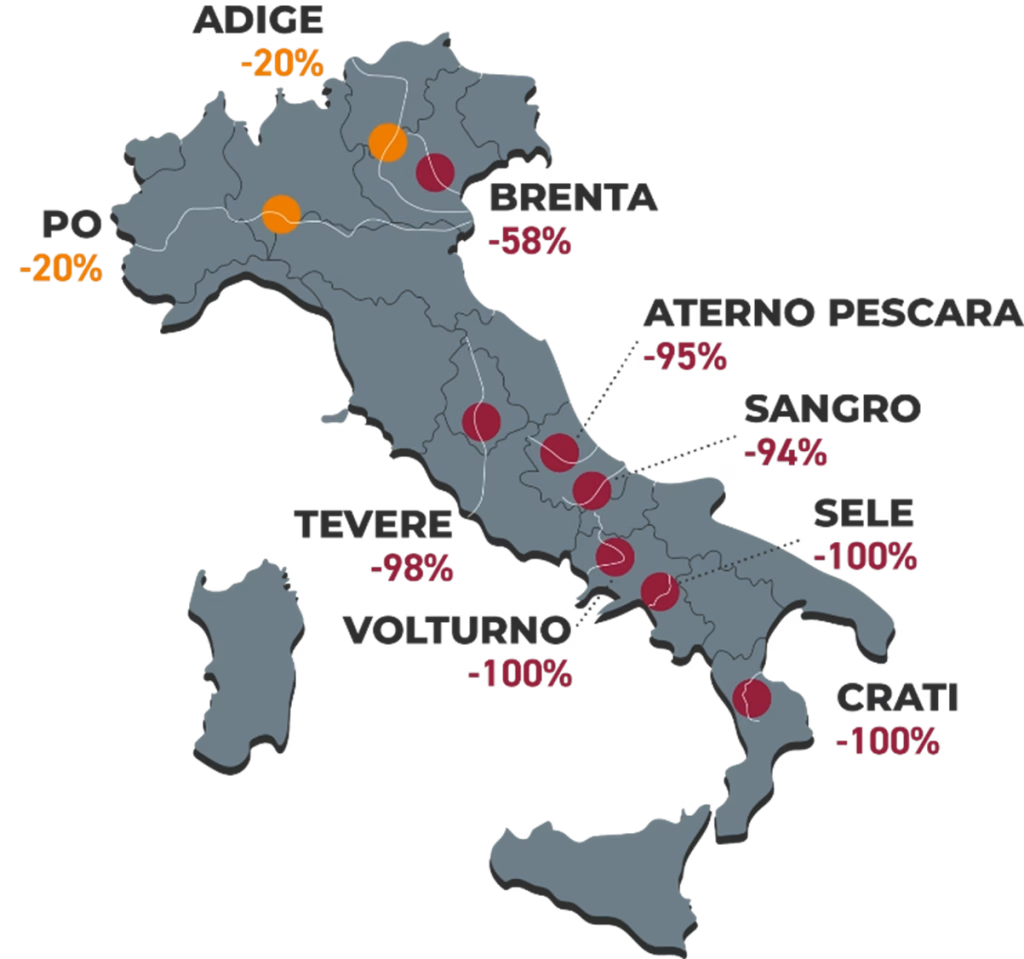
In hydrological terms, this meant the early loss of a fundamental resource: snow is in fact one of the main natural water reserves that feed rivers, streams and reservoirs precisely in the months of greatest demand. Its early disappearance deprived ecosystems and water systems of crucial support, with direct consequences for water availability for agriculture, energy production and the balance of mountain and riverine environments.