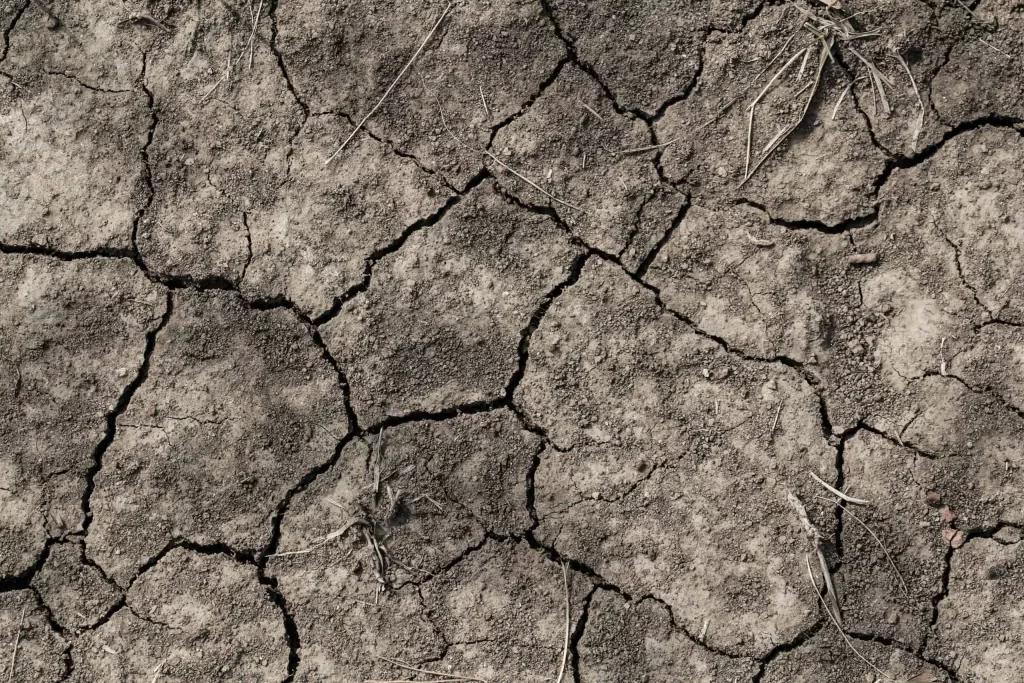
COP15, the United Nations Convention to Combat Desertification, draws to a close in Côte d’Ivoire Among the central themes of the meeting is drought risk: an issue on which CIMA Research Foundation is actively working nationally and internationally
COP15 of the United Nations Convention to Combat Desertification (UNDCC), is being held these days in Abidjan, Ivory Coast. This year’s theme, Land. Life. Legacy: from scarcity to prosperity is “a call to action to ensure that land, the lifeline of our planet, continues to be a benefit to present and future generations,” as the UNDCC website reports.
The meeting, which brings together representatives from government, the private sector and civil society and runs until May 20, is a key moment to define the measures needed to address some of the major challenges facing us, today and in the near future: desertification, land degradation, drought. This is of particular interest to CIMA Research Foundation because drought represents the focus of the work of many of our researchers. This is true both in terms of scientific research, to better understand the dynamics of drought-and thus also how it can best be simulated in numerical models (for example, through the study of the hydrological balance in response to dry periods), and in more strictly operational terms.
Regarding the latter aspect, it is worth mentioning that Italy (like other European countries) is just in these months affected by a period of drought whose effects are already being heavily felt in some areas (we talked about it in January here). Our work is aimed at analyzing the phenomenon and its possible impacts: for example, we have contributed to the technical report of the JRC’s Global Drought Observatory, and we carry out constant monitoring of the situation by also assessing, for the Italian Civil Protection Department, the state of the snow water stock – in other words, of the water available in the form of snow in the Italian Alps, which unfortunately this year is only 40 percent of what it has been in the average of the last ten years.
But CIMA Resesrch Foundation’s work on drought issues is not limited to the national area. COP15, on the subject of drought, addresses five different areas of interest: policies; warning, monitoring and evaluation; knowledge sharing; cooperation and collaboration; and drought finance.
Many of these issues are also the focus of the European Drought Observatory for Resilience and Adaptation (EDORA) project, in which we are a partner and consortium leader. EDORA aims to strengthen the European Union’s drought resilience and adaptation capacity by acting at the level of the European Drought Observatory: among the main actions of the project, in addition to the creation of an impacts database and a risk atlas covering the different drought-damaged sectors, is the promotion of linkages and the establishment of drought observatories in the member states. Cooperation and knowledge sharing, then, combined with intensive more “technical” work aimed at improving the assessment of drought risk and its possible impacts, including forecasting. A step, in short, in the direction of the need highlighted by Ibrahim Thiaw, executive secretary of UNDCC: “We need to move toward solutions instead of continuing with destructive actions.”