CIMA Research Foundation, under the RDP Liguria 2014-2020 has been funded on measure 8.3 for the implementation of a “Project for the adaptation and strengthening of the forest fire risk monitoring system of the Liguria Region, to be implemented through purchases with measure 8.3 RDP 2014-2020” Act of admission to support Liguria Region PG/2018/161584 of 5/6/2018. Application for support Agea Code No. 54250382998 – CUP B51C18000190009.
The project specifically is funded to make investments aimed at forest fire risk prevention.
The project includes four types of investments that are functional for the implementation of the Liguria Region Forest Fire Risk Monitoring System Adaptation and Enhancement Project.
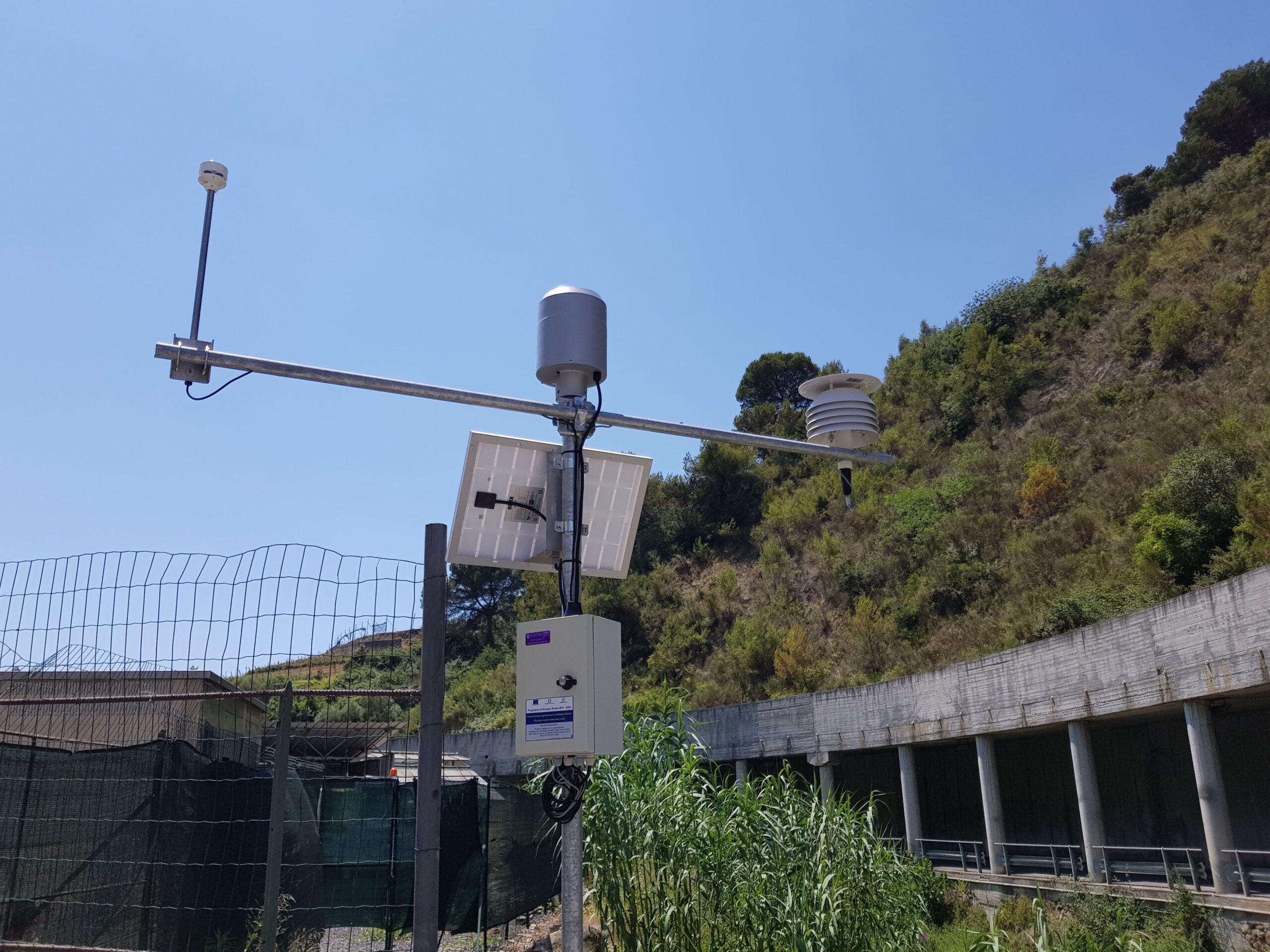
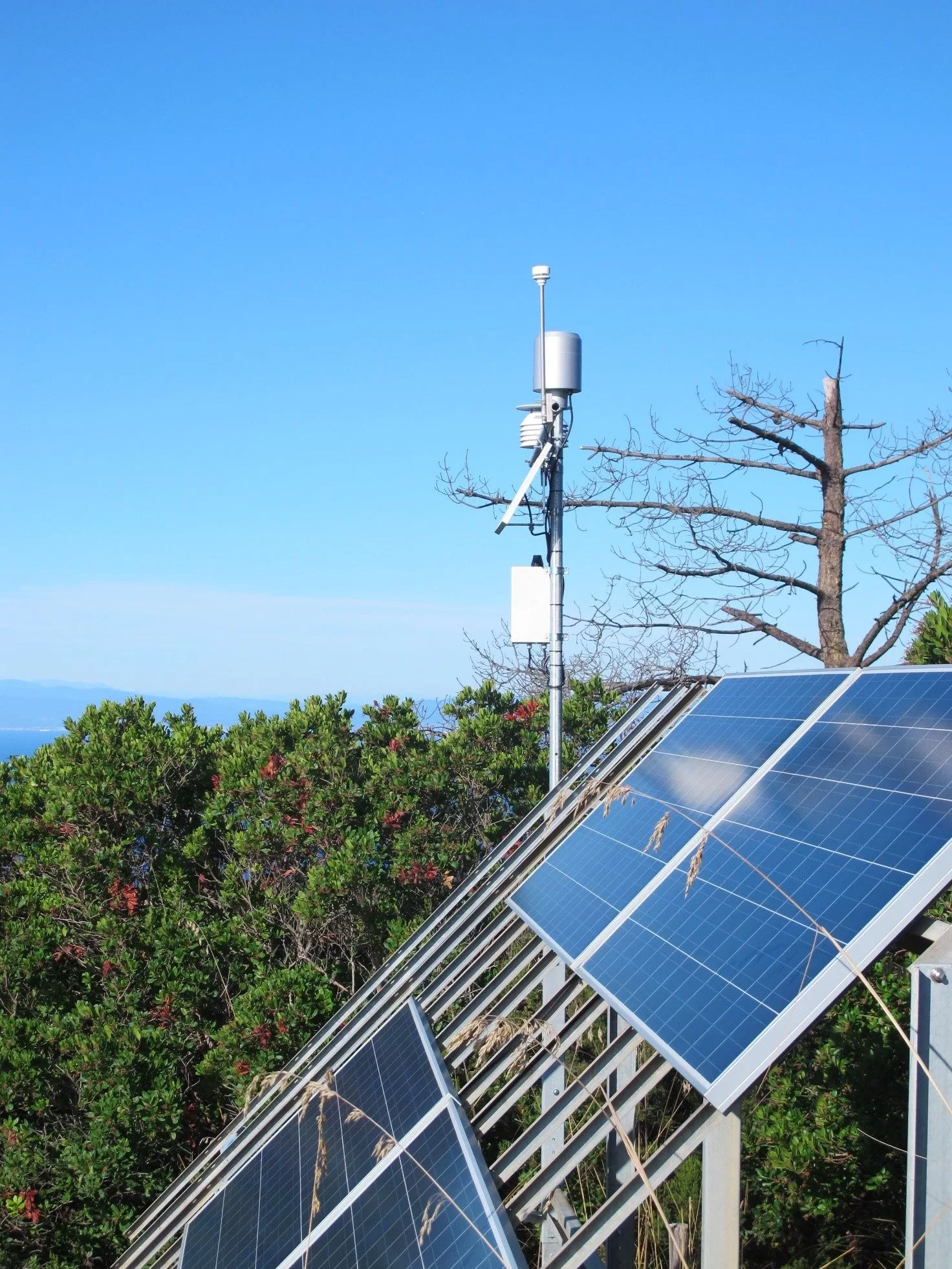
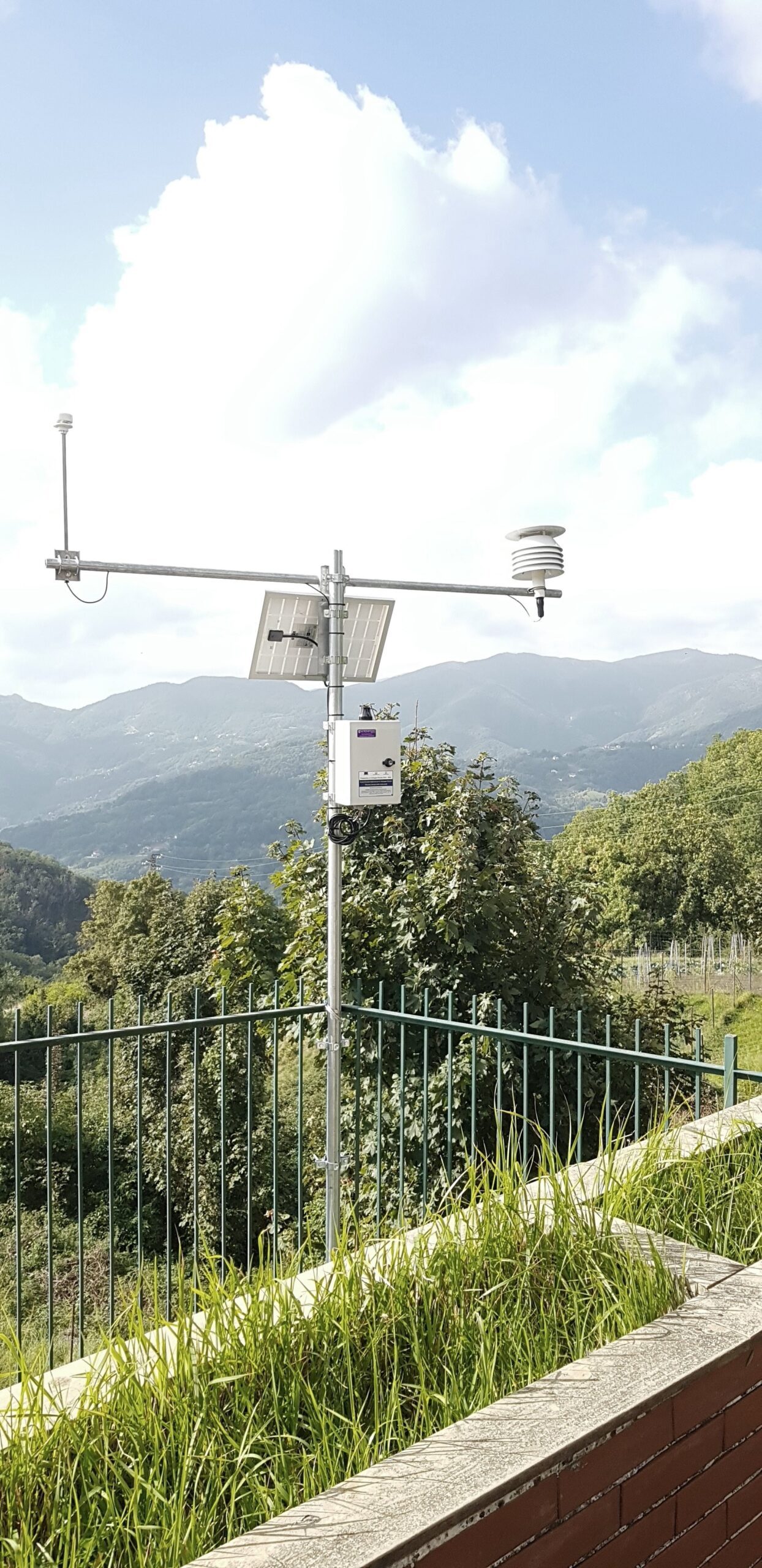
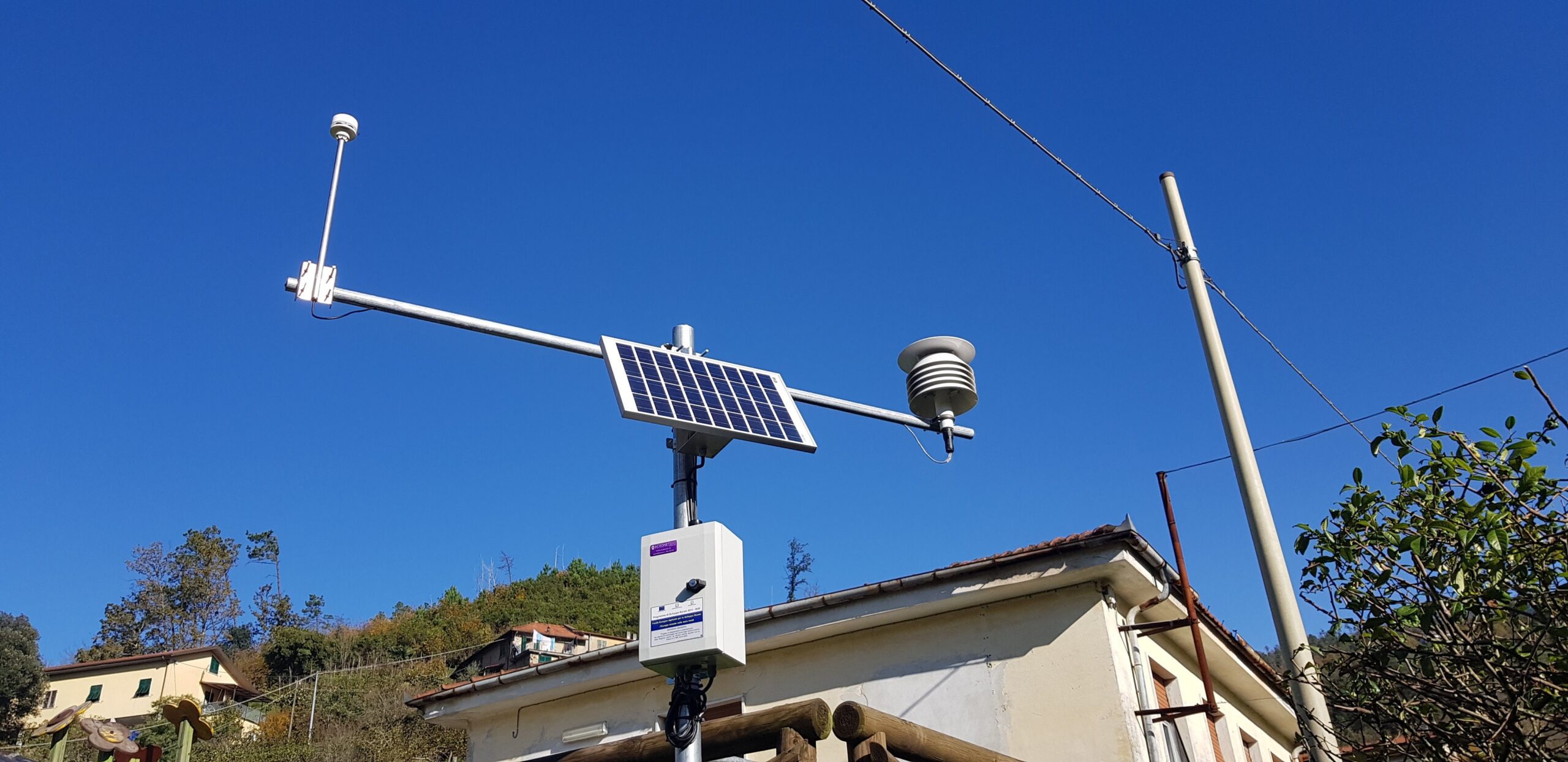
Specifically, investment No. 1 concerns the purchase and installation at municipalities and regional stations of meteorological monitoring stations (a total of 86 stations divided into 58 evolutionary kits for the rainfall stations of DGR 1291/2015, 15 new complete stations and 13 new temperature, wind and humidity stations), it is also planned to implement the internet portal common prevention with the part related to fire risk.
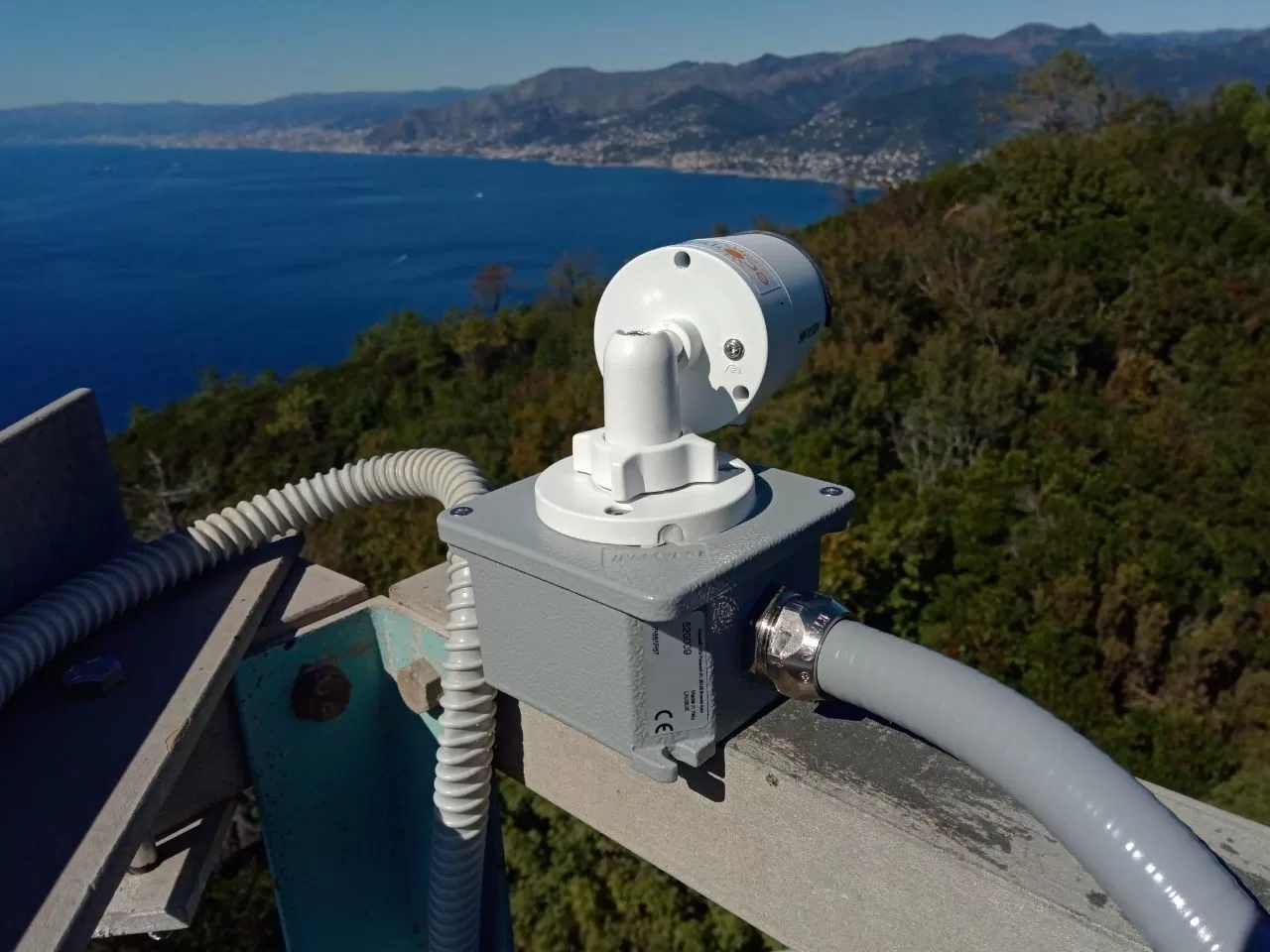
Investment No. 2 concerns the purchase and installation of 3 new phenological cameras to be installed at regional locations and the upgrade of the one at the Pian dei Corsi Forest Nursery. The purpose of this investment is to acquire data on the phenological cycle of different vegetation types and use them in the forest fire forecasting model.
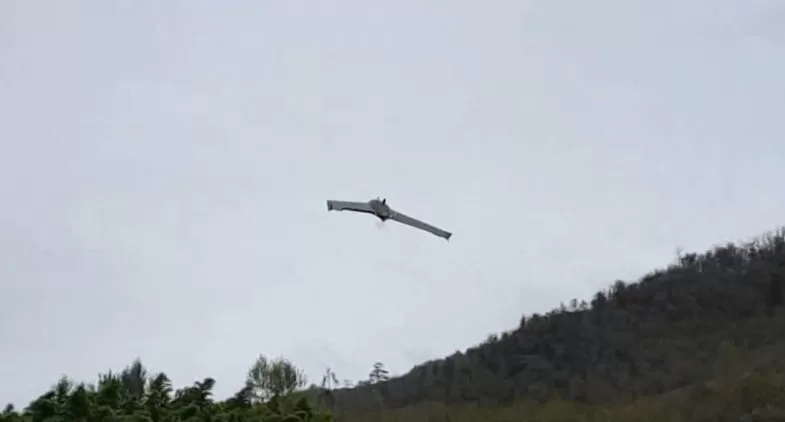
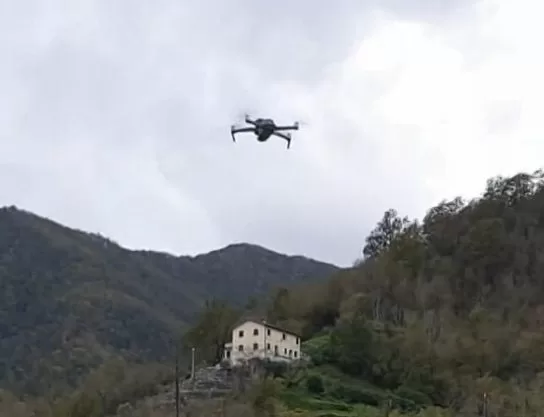
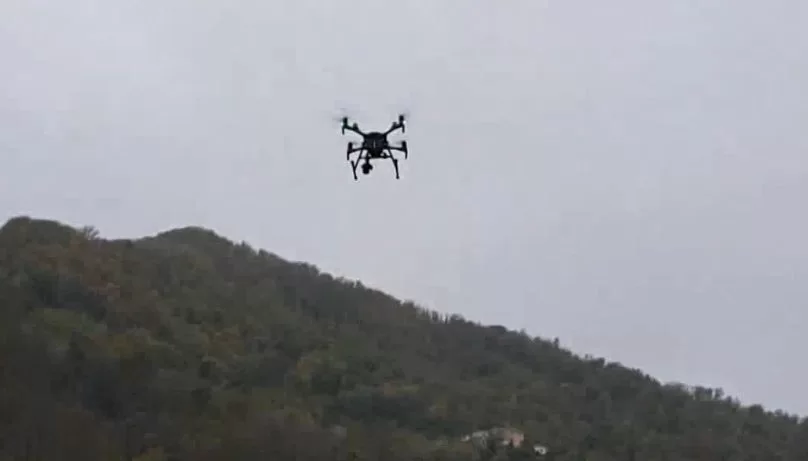
Investment No. 3 provides for the purchase of 3 drones equipped with special sensors for the detailed survey of portions of the territory for the acquisition of vegetation data to be used in the fire forecasting model also in combination with satellite data for which, among other things, it can also allow for field data validation activities.
Investment No. 4 involves the purchase of the computer equipment necessary for the collection, storage, and processing of the data acquired with the other 3 investments, specifically a server, a fixed worstation, a portable worstation, a laptop, and two specific software for processing the images acquired with the drones will be purchased.
Investment 1 – Meteorological monitoring stations.
Increasing the density of measuring stations makes it possible to improve the reconstruction of meteorological fields in order to obtain a better forecast of fire risk with a view to prevention, supported not only with data from meteorological models but also with the acquisition of real-time data that are fundamental in the daily evolution of fire risk, such as wind, temperature and relative air humidity. In fact, the calculation of the hazard index in real time on the available stations makes it possible to better manage prevention and land monitoring activities with timelines consistent with their effective and efficient implementation.
Station data and modeling variables are displayed on a portal appropriately implemented for forest firefighting purposes.
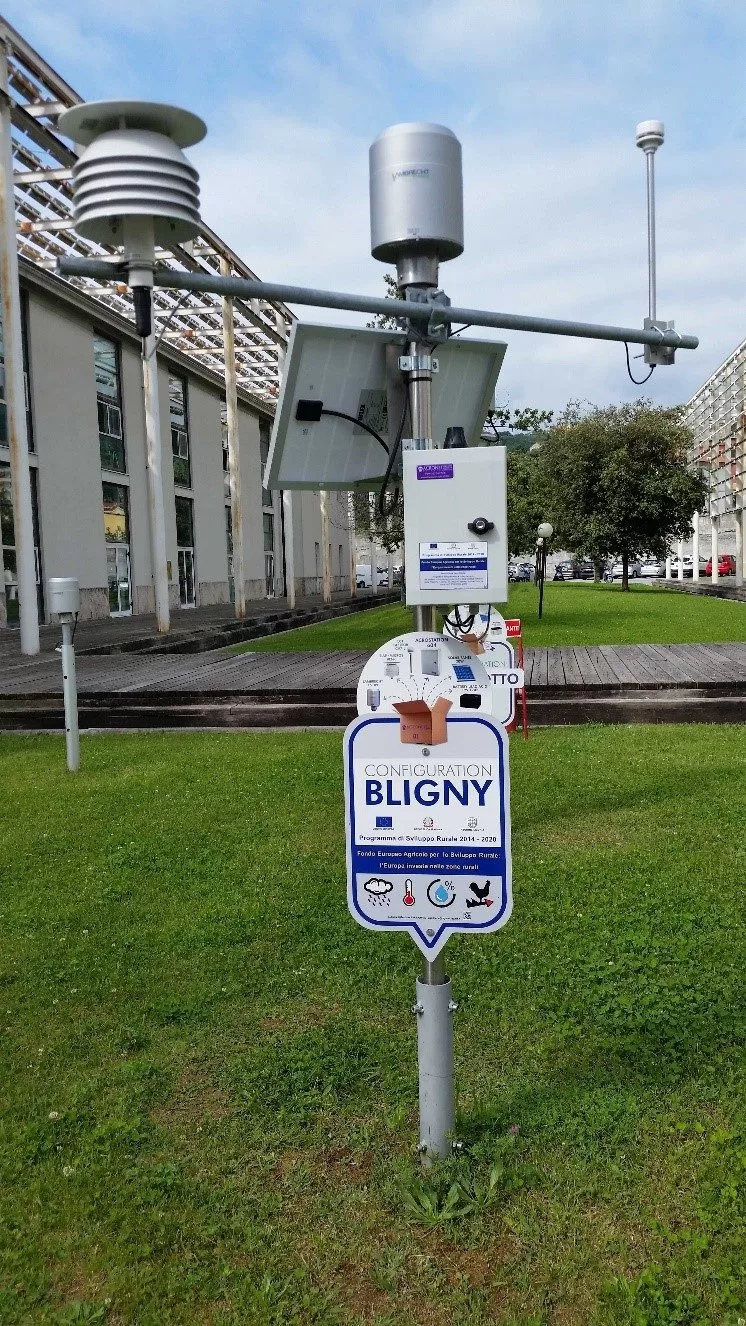
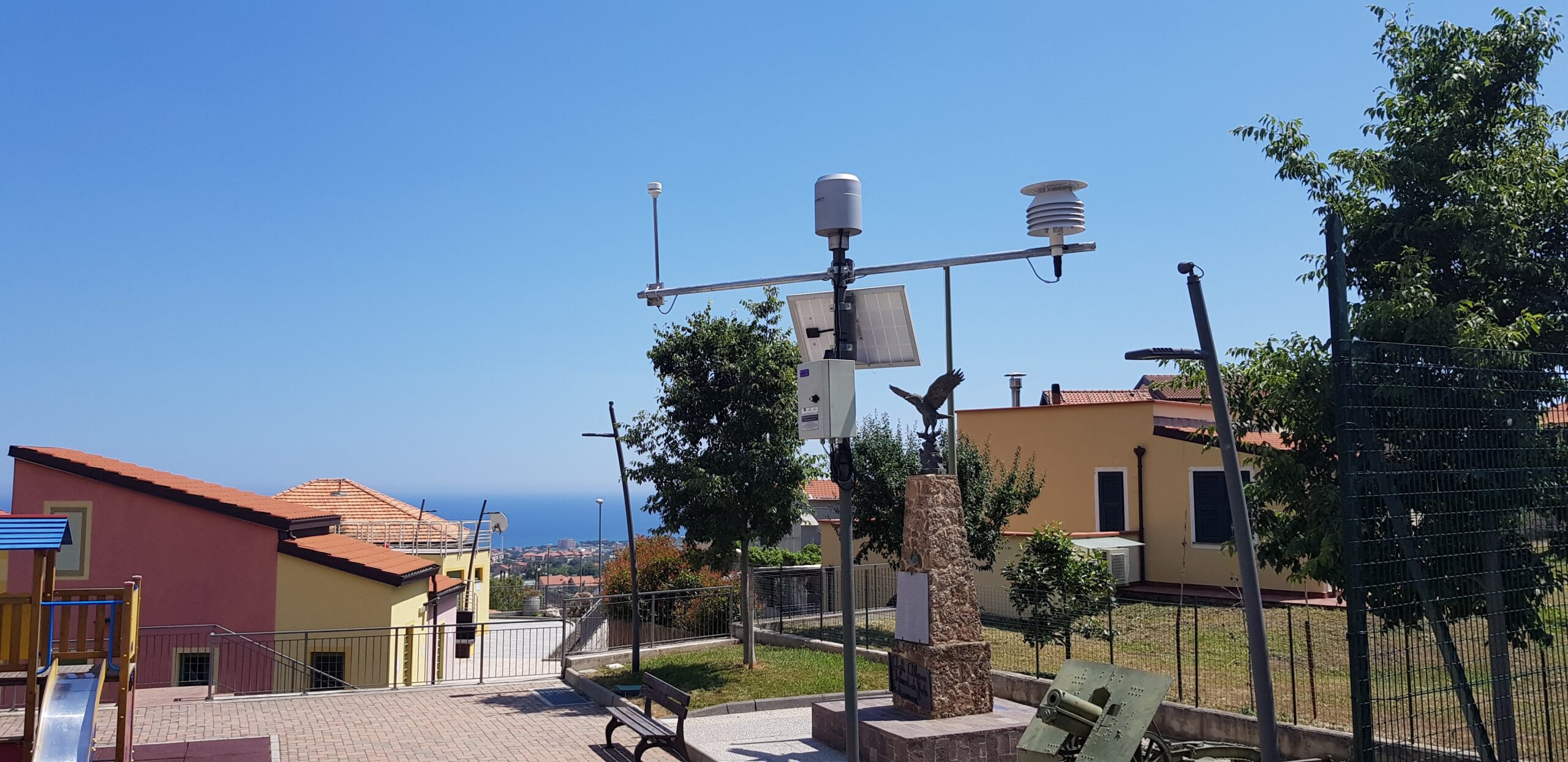
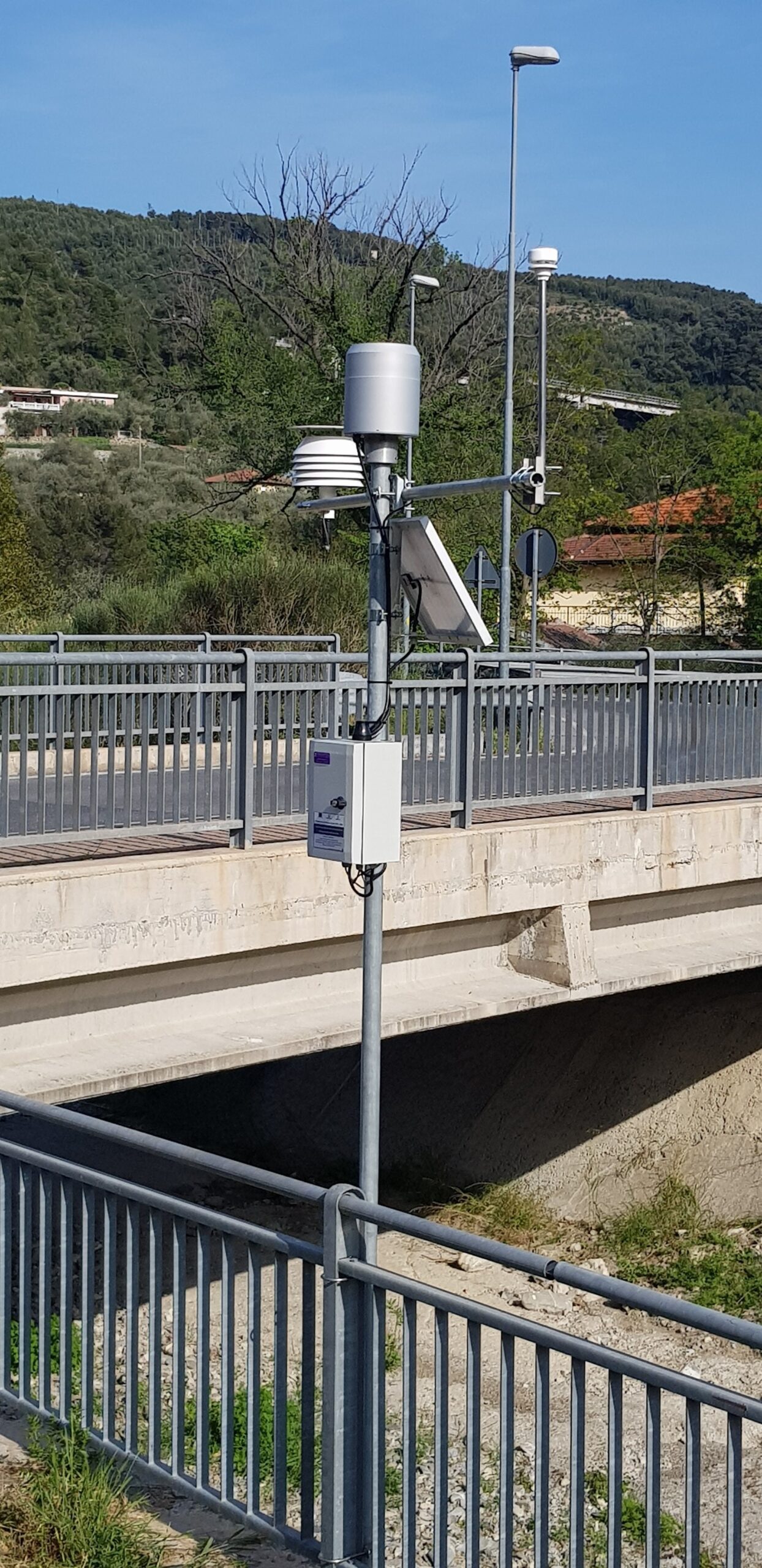
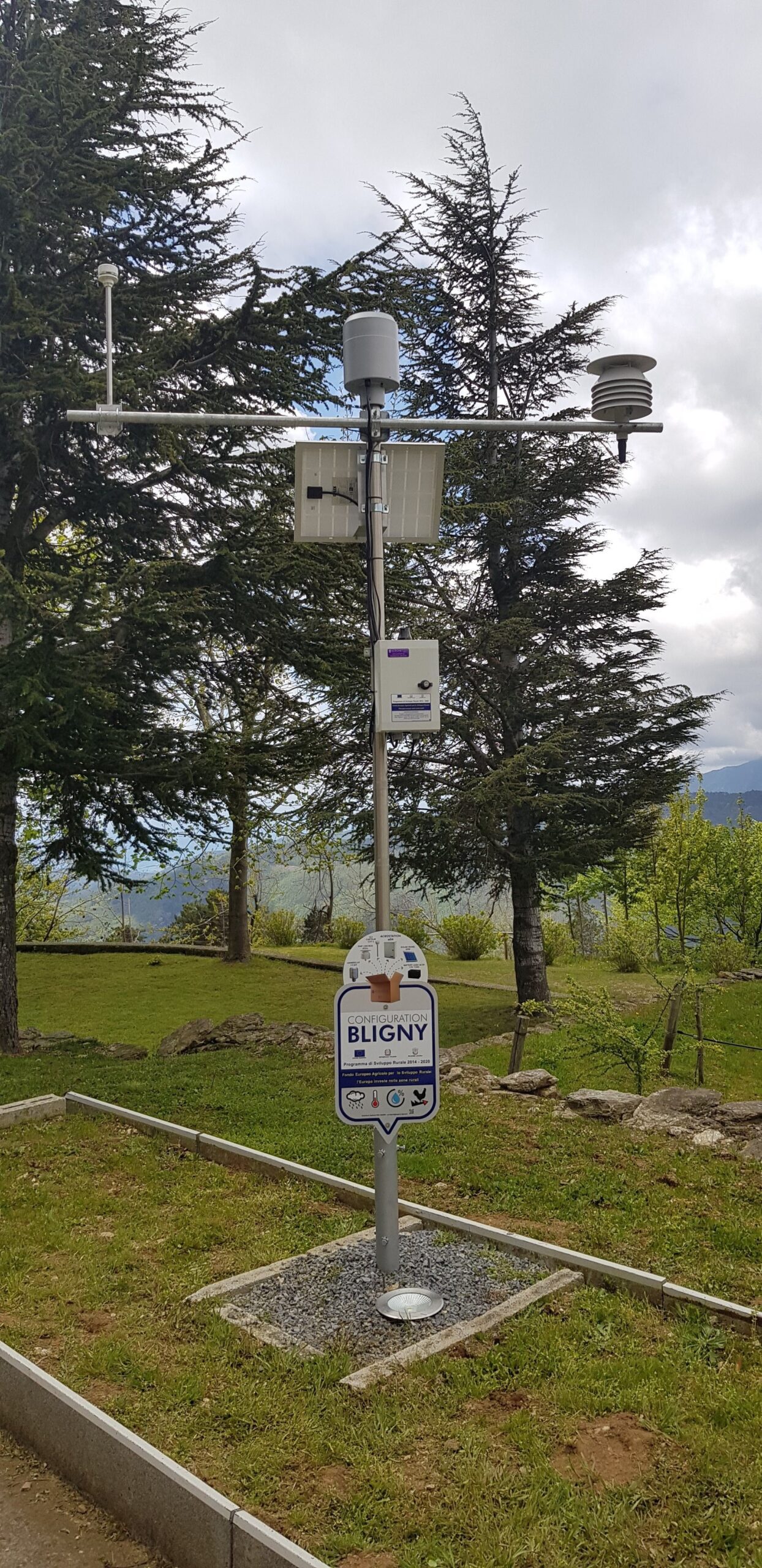
Shown below are some examples of the installation of weather monitoring stations.
Investment 2 – Phenological monitoring stations.
Phenocameras are automatic optical systems (digital cameras) used for continuous monitoring of seasonal trends in certain functional and structural characteristics of individual species or plant formations. Phenology, that is, the succession of different life stages of a living organism (the emission of new stems or leaves, the production of flowers and fruits, the variation of colors, and the death of portions or entire individuals), in addition to having a genetic basis, is influenced by the environmental conditions of life of individual plants (temperature, availability of water and nutrients, pathogens, …). The regular acquisition of images in the visible and near-infrared spectrum makes it possible to follow the temporal trend of some characteristics of the monitored ecosystems: through the elaboration of special vegetation indices (such as NDVI – Normalized Difference Vegetation Index or GI – Greenness Index) it is possible to define, for different portions of the image, corresponding to different types of vegetation, the development and state of the vegetation. This information is useful for the recognition of the state of vegetation vigor, the amount of biomass present and the portion of necromass, parameters used for the improvement of forest fire risk prediction on the regional territory.
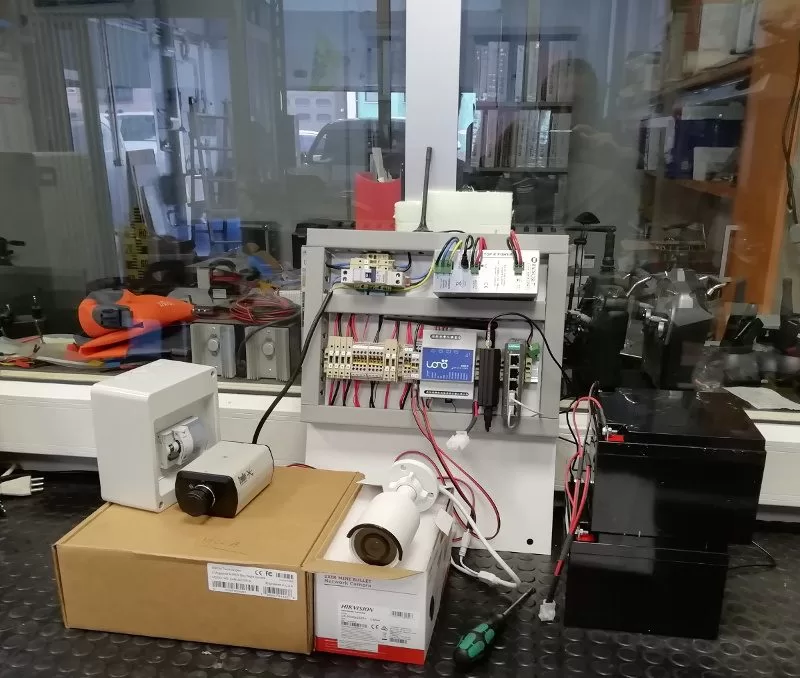
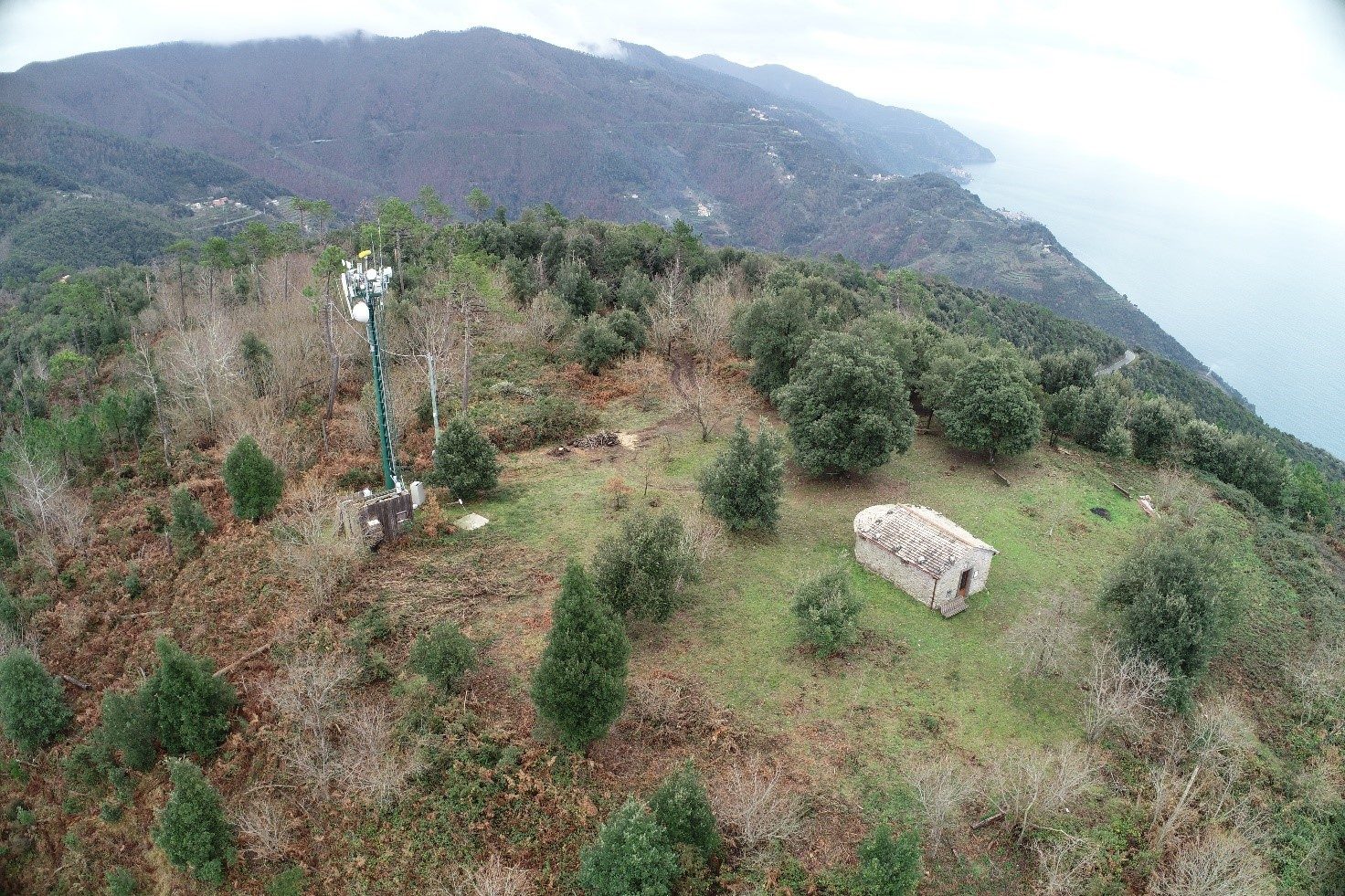
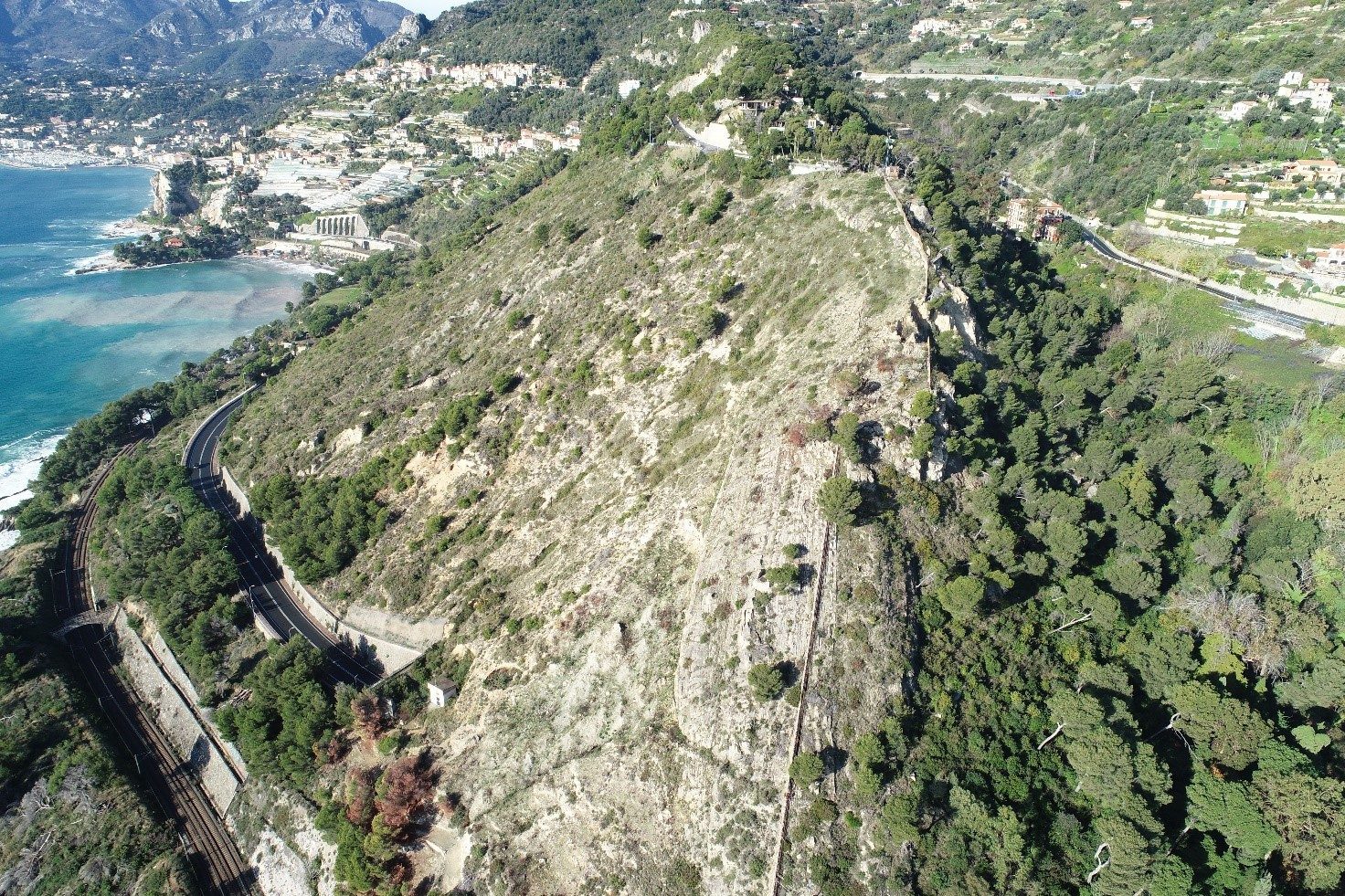
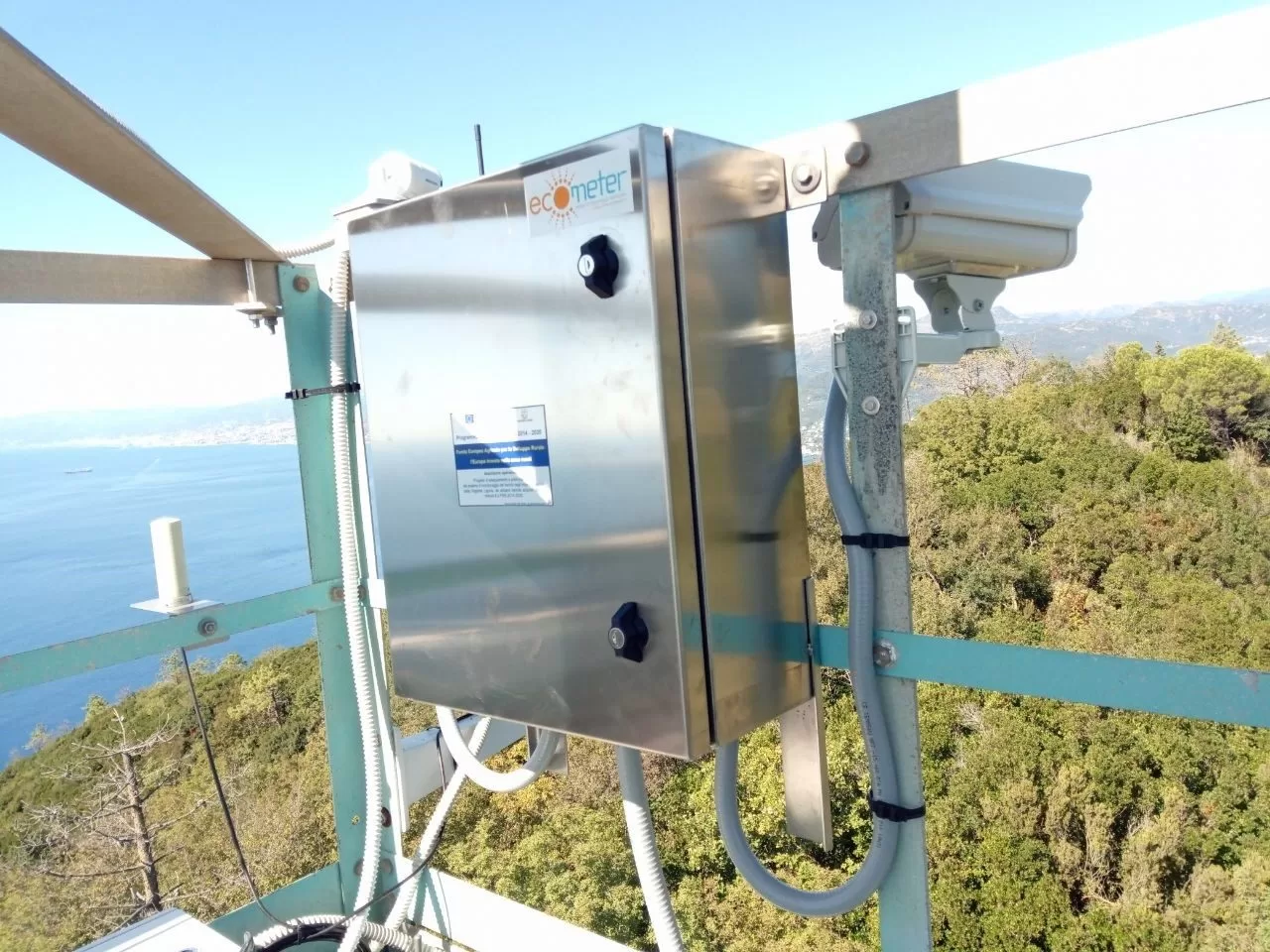
Shown below are examples of phenological monitoring station installations, consisting of the coupling of a phenological chamber and a panoramic chamber as well as a complete weather station.
Investment 3 – Remotely Piloted Aircraft
Characterization of the state of the region’s widespread vegetation is a key element in fire risk forecasting activities. The use of high-resolution satellite data, such as those made available as part of the European Copernicus Earth Observation Program, has for the past few years represented a real revolution in forecasting modeling; even more recently, the use of remotely piloted aircraft systems (drones), has made it possible to further refine the ability to monitor different vegetation formations and understand their seasonal dynamics. The very high geometric resolution and the ability to acquire images at specific and significant times of the season is a strength of drone remote sensing. Through the instrumentation recently acquired by the CIMA Foundation through funding from the Rural Development Plan of the Region of Liguria (Measure 8.3), very high resolution orthomosaics and surface models of great detail are prepared and used to define the vertical structure of the different vegetation formations, analyze the spatial distribution of the species that make up ecosystems and estimate some parameters of interest for the analysis of fire behavior.
In particular, footage taken with the MAIA multispectral sensor, which is equipped with the same bands as the sensor installed on the Sentinel 2 satellites, will make it possible to calculate a series of vegetation indices and correlate data acquired a few tens of meters above the ground with data collected by satellite platforms several hundred kilometers away, providing additional cognitive elements for improving fire risk prediction modeling.
The images below show the purchased remotely piloted aircraft, and a 3D reconstruction of the Villa Hanbury area is also available.
Investment 4 – Information Technology Equipment
Appropriate computer equipment has been purchased for storage of the collected data and its processing.
Specifically, a server, a fixed workstation, a portable workstation as well as a laptop and a field tablet were purchased.
