Summer 2025 | Southern Italian lakes in decline: satellite observation in Sicily

Overall, Southern Italy experienced a summer characterized by persistent heat, scarce rainfall, and increasingly reduced water resources. These elements aggravated territorial vulnerability, affecting both the availability of water resources and the resilience of ecosystems—a vulnerability further increased by the persistence of drought conditions since at least early 2024.
The effects of drought were evident in Sicily’s artificial reservoirs, monitored since 2017 thanks to an experimental satellite service developed by CIMA Research Foundation and based on optical data from the Sentinel-2—S2 constellation (Cenci et al., 2024). The resulting monthly time series of the percentage of reservoir surface covered by water (% Extent) shown in the graphs below indicate that, from 2024 onwards, the observed lakes almost always recorded decreasing trends associated with negative anomalies (Negative Anomaly). This means that the 2024 and 2025 monthly values of % Extent are almost always lower than the reference climatology (i.e., monthly mean % Extent derived from S2 data—Climatology S2).
Although in 2025 there were, in some cases, signs of a rising trend, the overall picture remains critical. In fact, the historical series show a generalized and progressive contraction of water bodies. This reduction in extent is not merely a hydrological datum, but the tangible sign of a crisis that concerns water availability for communities and ecosystems.
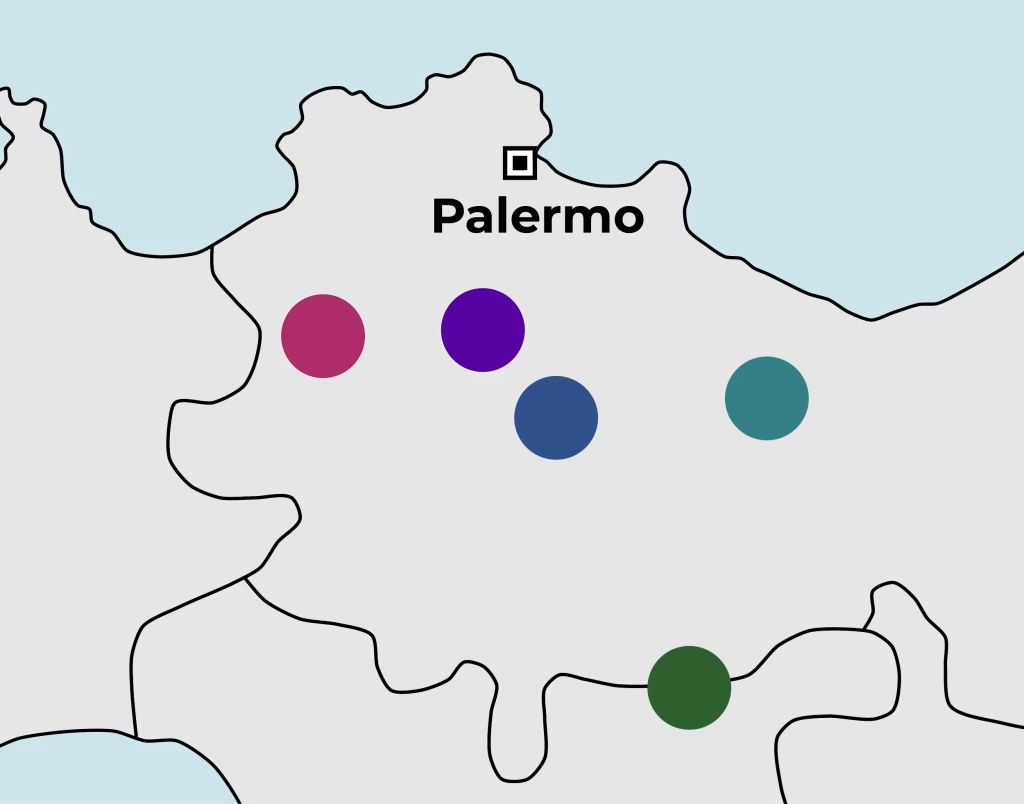
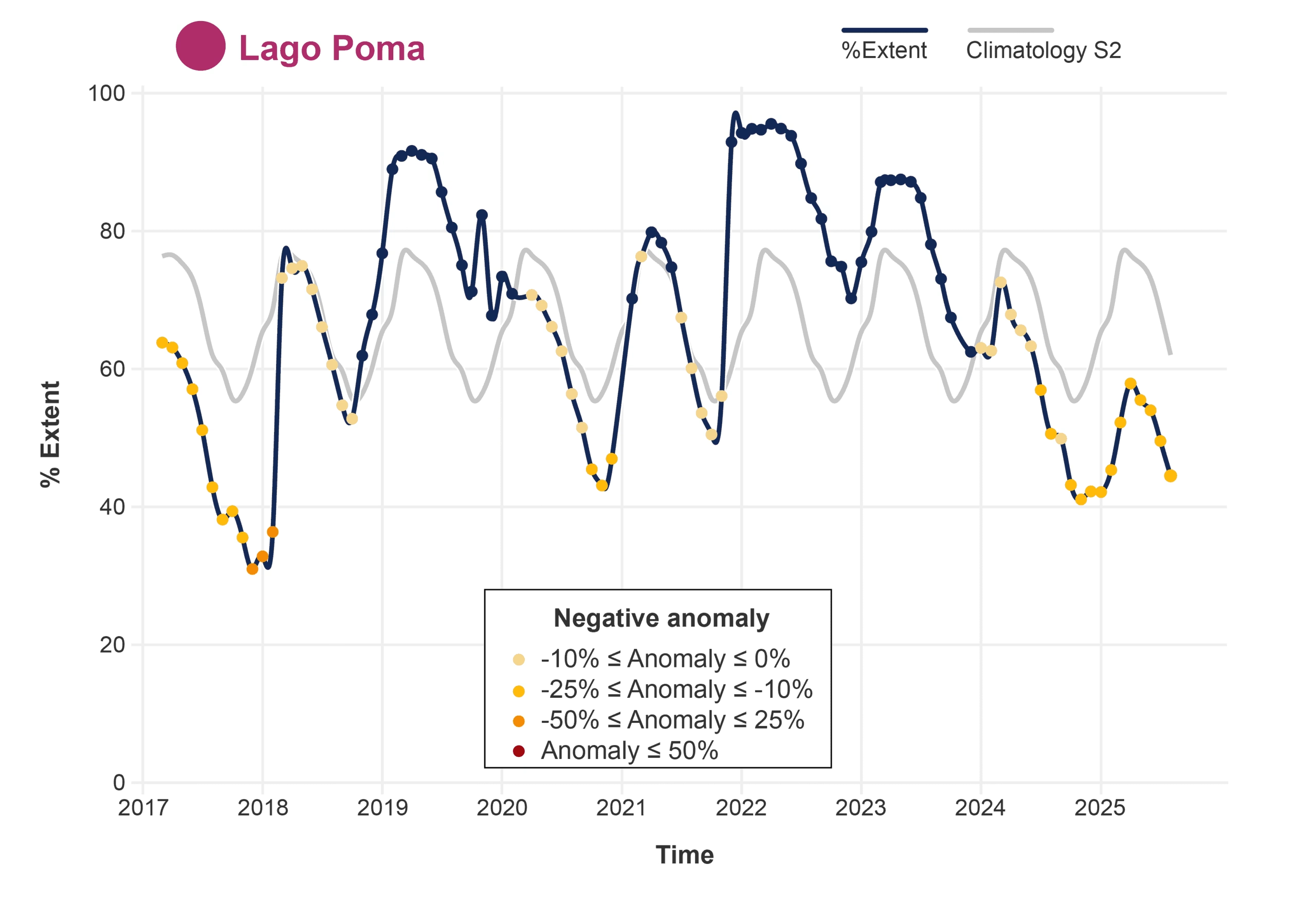
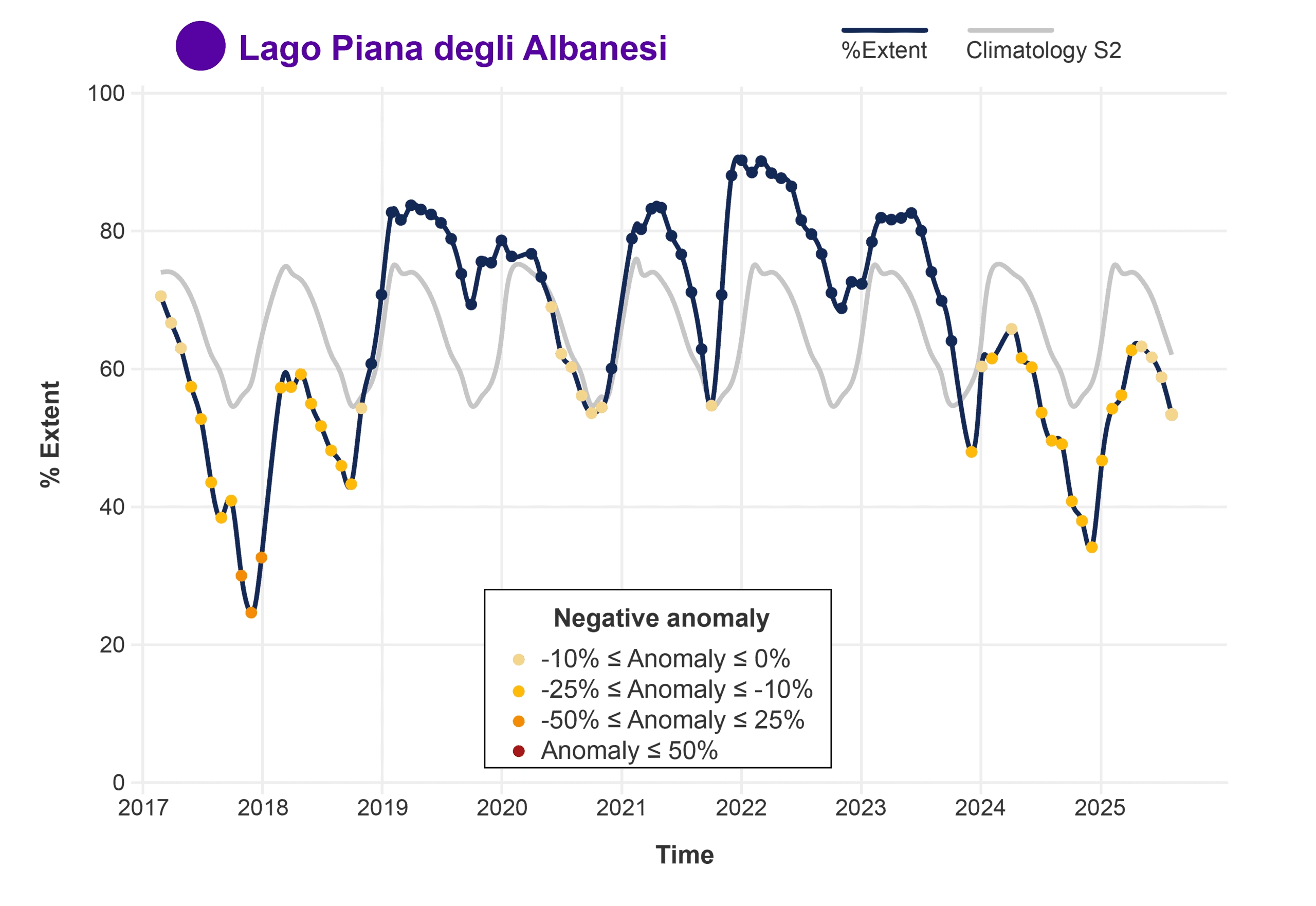
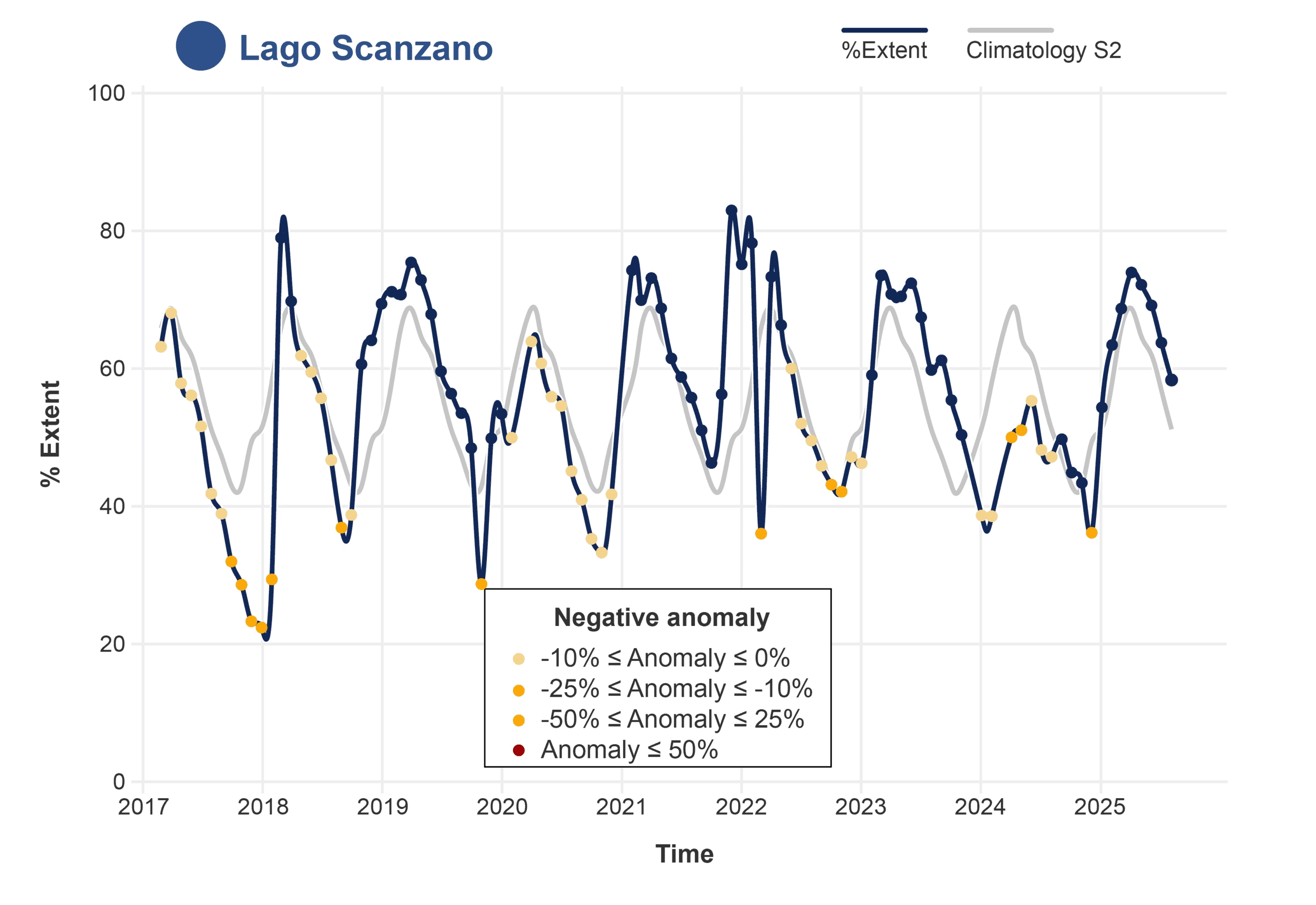
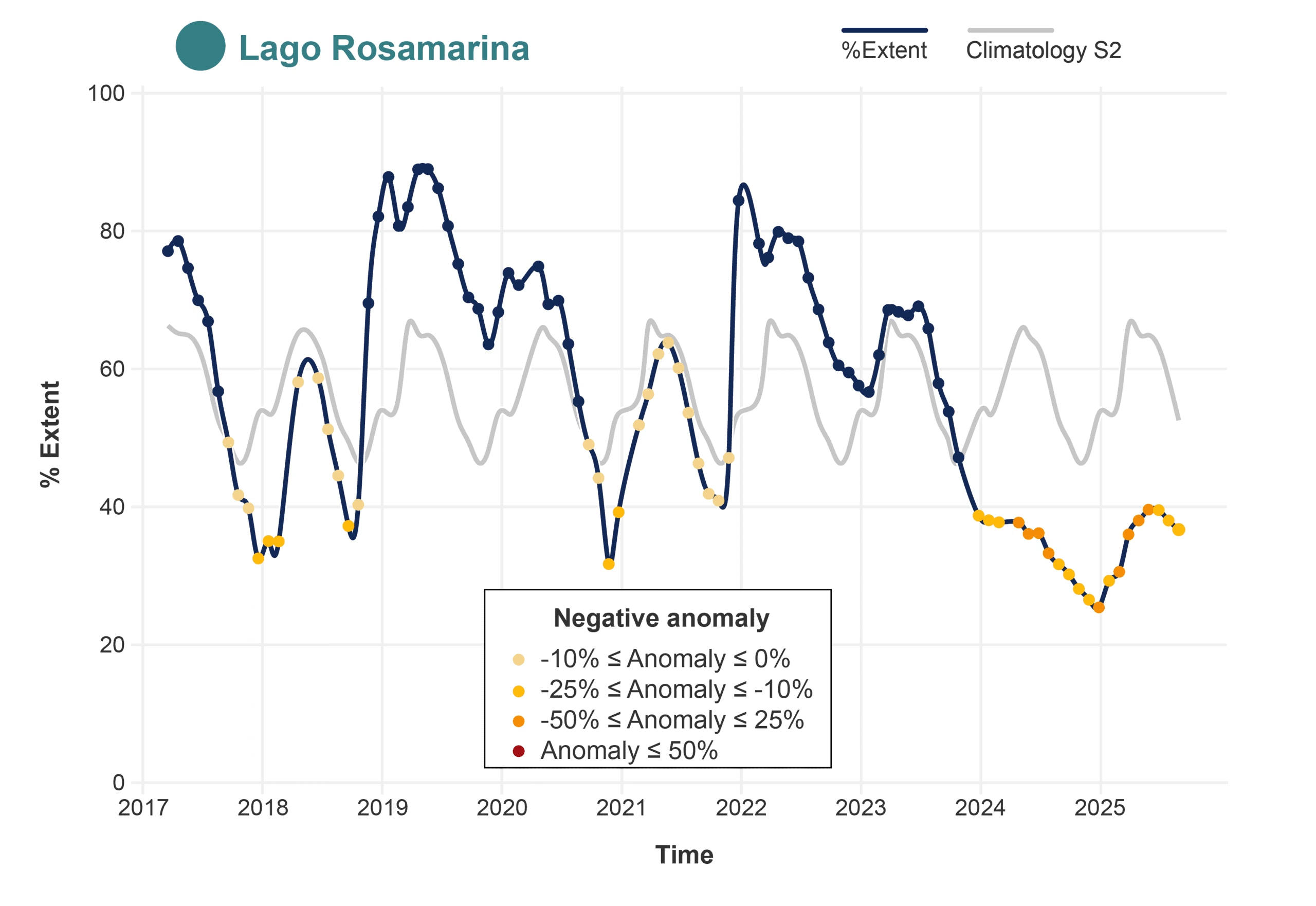
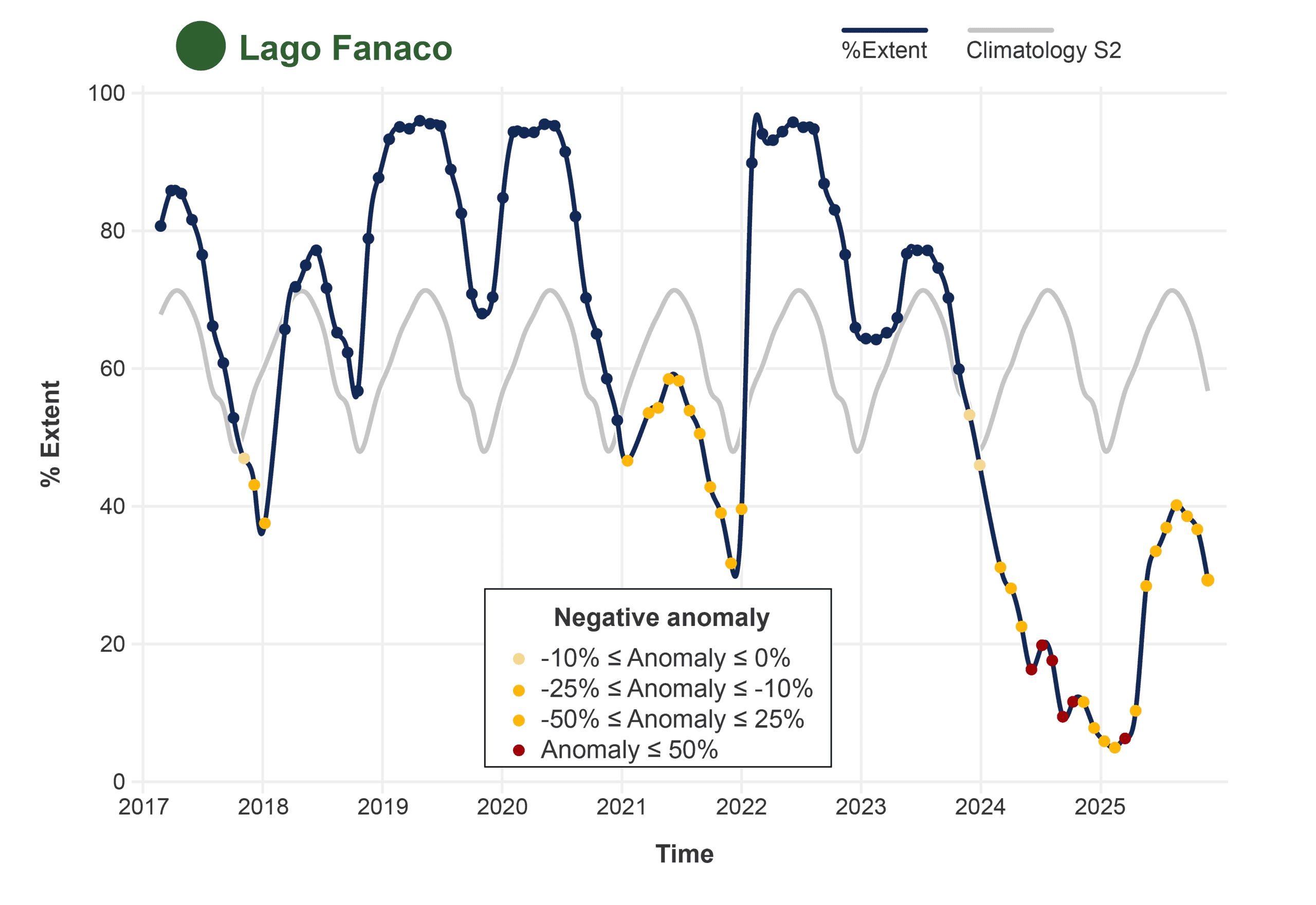
Click on the dots to show monthly time series of the percentage of reservoir surface covered by water (% Extent), with corresponding negative anomalies (Negative Anomaly), for the monitored artificial reservoirs: Lago Poma, Lago Piana degli Albanesi, Lago Rosamarina, Lago Fanaco, Lago Scanzano. The grey line represents the monthly climatology of surface extent (Climatology S2), also highlighting the cyclical variation linked to seasonality.