In a country like Viet Nam, where water is both a vital resource and a source of vulnerability, scientific and technical cooperation becomes a key instrument of resilience — strengthening the legal, operational, and technological foundations for integrated water resource management capable of addressing the challenges of climate change.
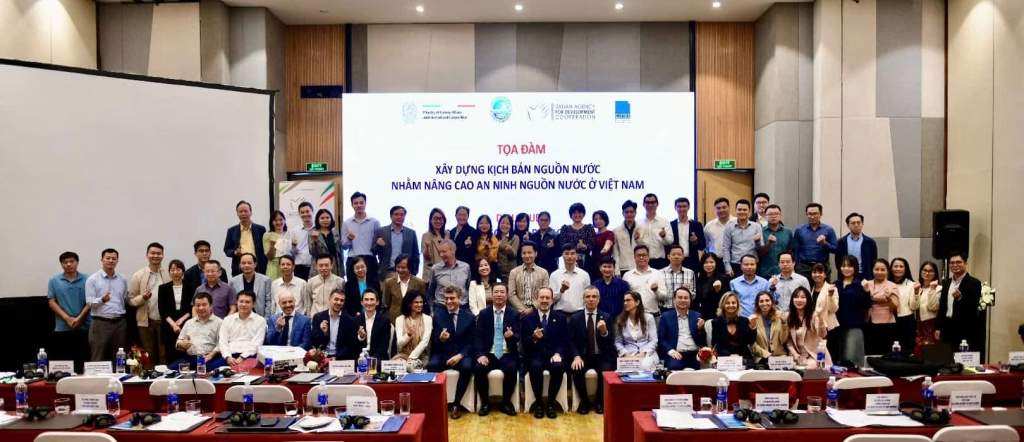
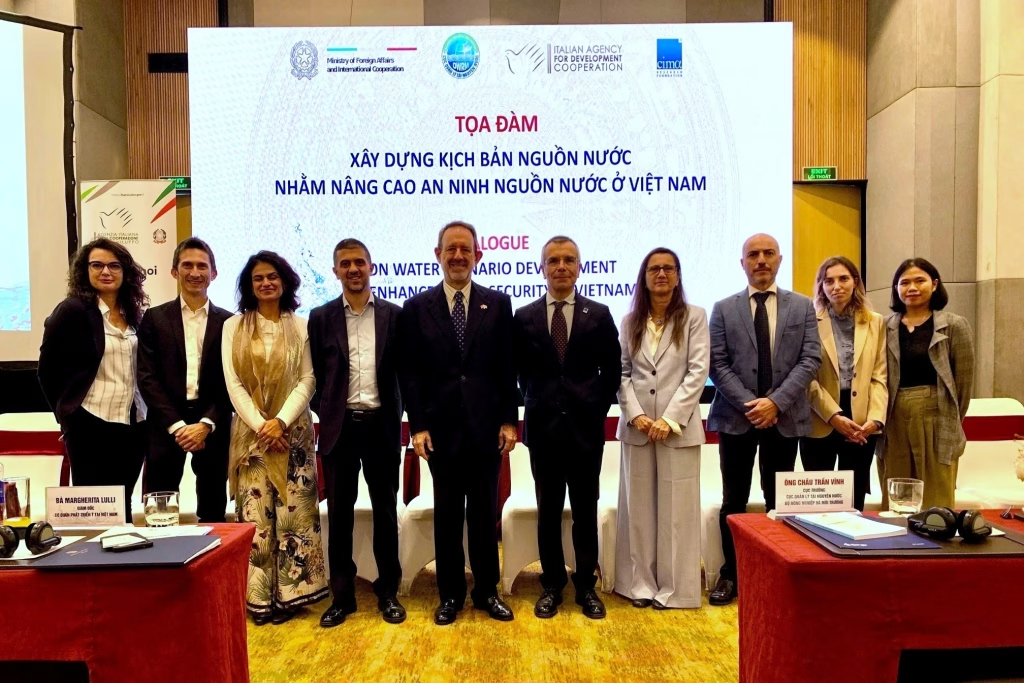
The International Stakeholders Workshop was held today in Hanoi as the closing event of the project Technical Assistance for Strengthening the Regulatory Framework of the Water Sector in Vietnam: Real-Time Multi-Basin Operations, funded by the Italian Ministry of Foreign Affairs and International Cooperation (MAECI) through the Italian Agency for Development Cooperation (AICS) and implemented by the CIMA Research Foundation in collaboration with the Department of Water Resources Management (DWRM) of Viet Nam’s Ministry of Agriculture and Environment (MAE) and with the participation of the Appennino Centrale River Basin Authority (AUBAC).
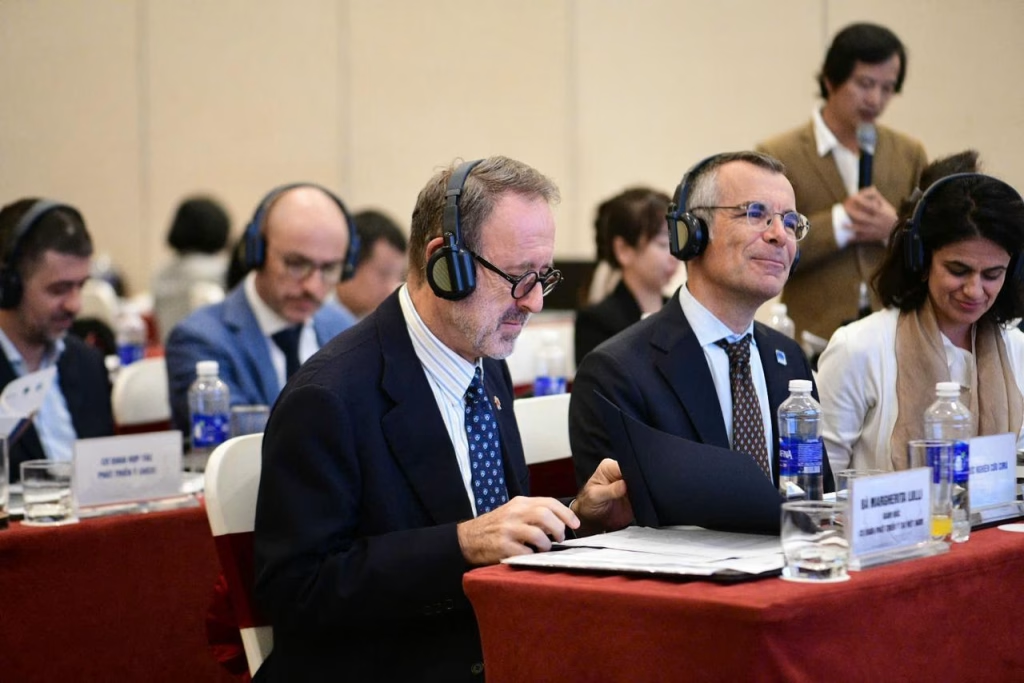
The value of this collaboration — also recognized by AICS in its 2024 Annual Report — was celebrated in this technical and institutional exchange, which brought together representatives from government agencies, research centers, international organizations, and development partners to reflect on the results achieved and the future perspectives for Viet Nam’s water sector.
From forecasting to planning: the project’s tools
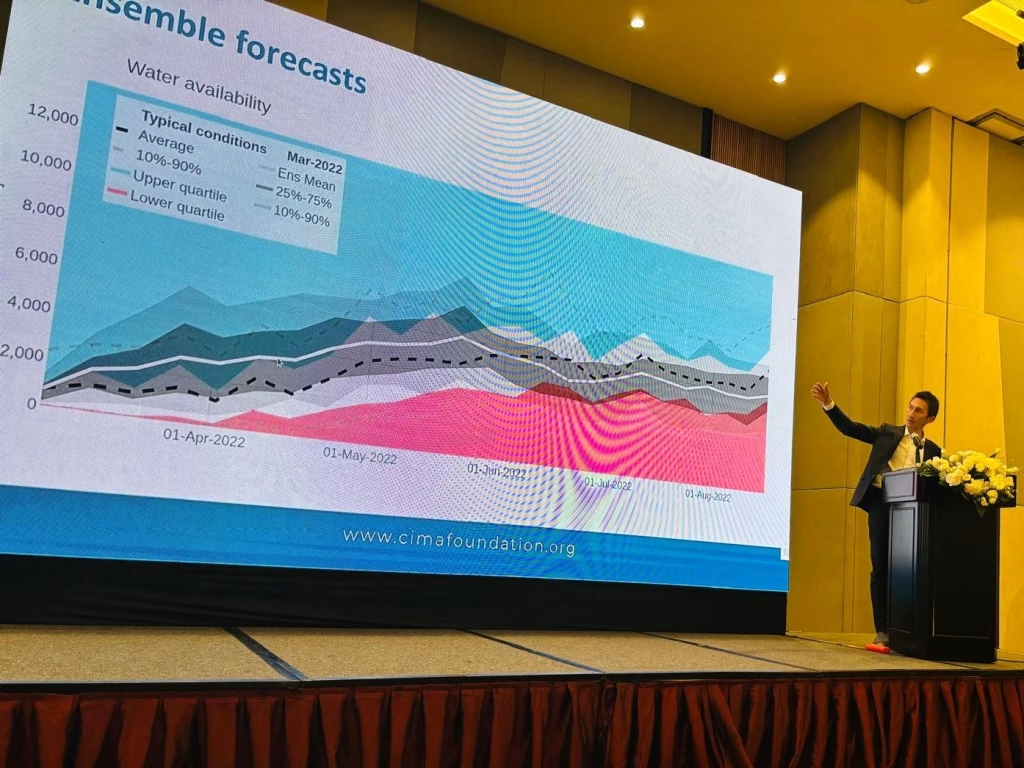
Launched two years ago, the project aimed to strengthen the regulatory and operational framework for water resource management in Viet Nam, in line with the 2023 Law on Water Resources. Among the results presented during the workshop, particular focus was given to the seasonal forecasts for the Dong Nai River Basin, developed to support the DWRM in preparing the national water balance and in allocating water resources among different productive sectors. These forecasts, visualized through the Dewetra3 platform, enable the integration of climatic, hydrological, and territorial data into a real-time decision support system, designed to enhance both strategic planning and operational management under water stress conditions.
The integration between forecasting models and digital monitoring tools represents a crucial step toward a proactive approach to water management — one grounded in data and scenarios — capable of reducing the impacts of climate variability and supporting more equitable and sustainable planning.
From policy to action: the Italian contribution to institutional strengthening
Another key outcome of the project is the development of a regulatory support document dedicated to the role and functions of Italian River Basin Authorities, shared with the Vietnamese ministry to contribute to the definition of the River Basin Organizations (RBOs) envisioned by national law. This document, produced in response to a direct request from the DWRM, compiles recommendations and best practices drawn from the Italian experience, with a particular focus on the organizational structure of the Basin Authorities and their coordination role among institutional levels, productive sectors, and spatial planning instruments.
The initiative stems from the Vietnamese government’s need to strengthen the operation of RBOs — essential bodies to ensure a decentralized and integrated management of water resources. Throughout the project, CIMA Research Foundation and the Appennino Centrale River Basin Authority (AUBAC) presented the Italian model of water governance, leaving their Vietnamese counterparts the freedom to adapt and incorporate the most relevant elements to their national context. This cooperative approach acknowledges the uniqueness of institutional systems while promoting shared knowledge as a foundation for innovation.
Institutional visits and the building of dialogue
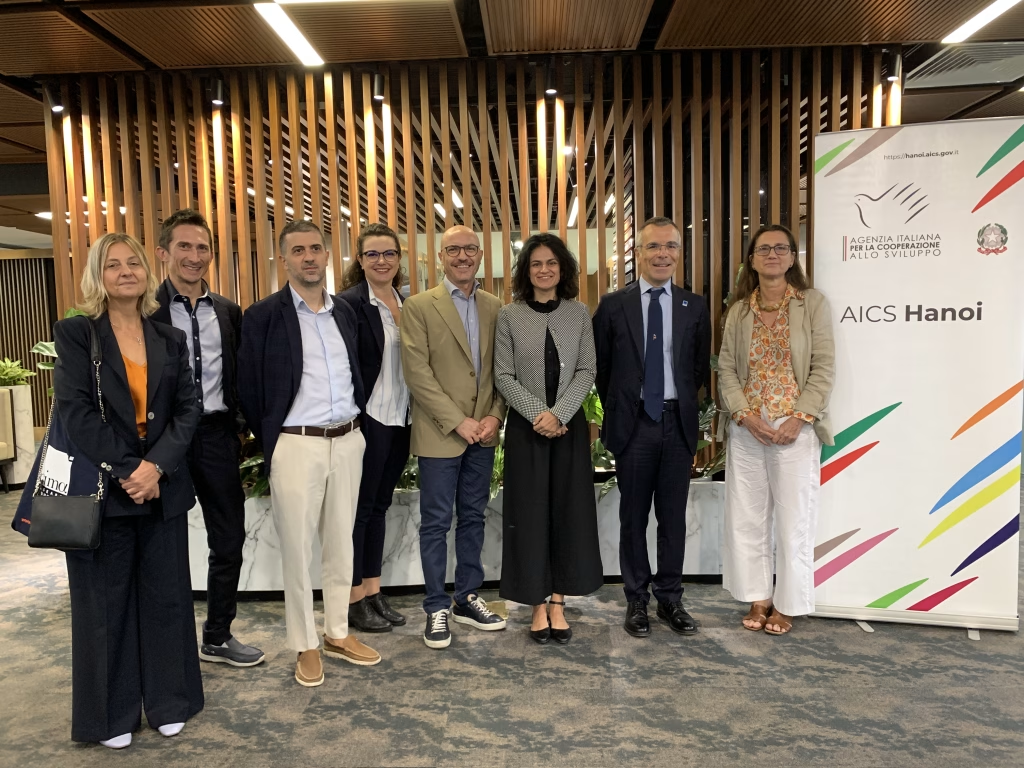
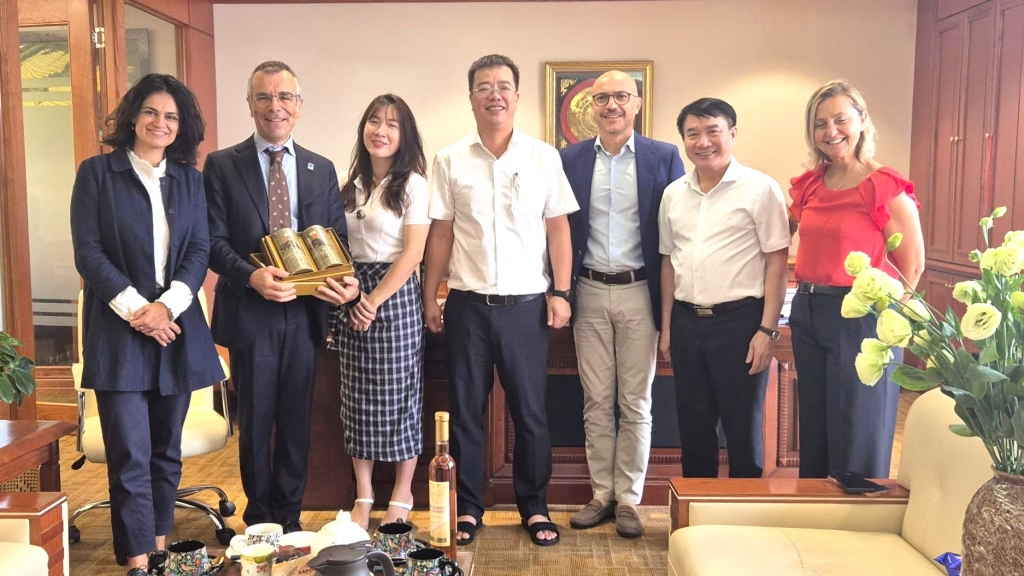
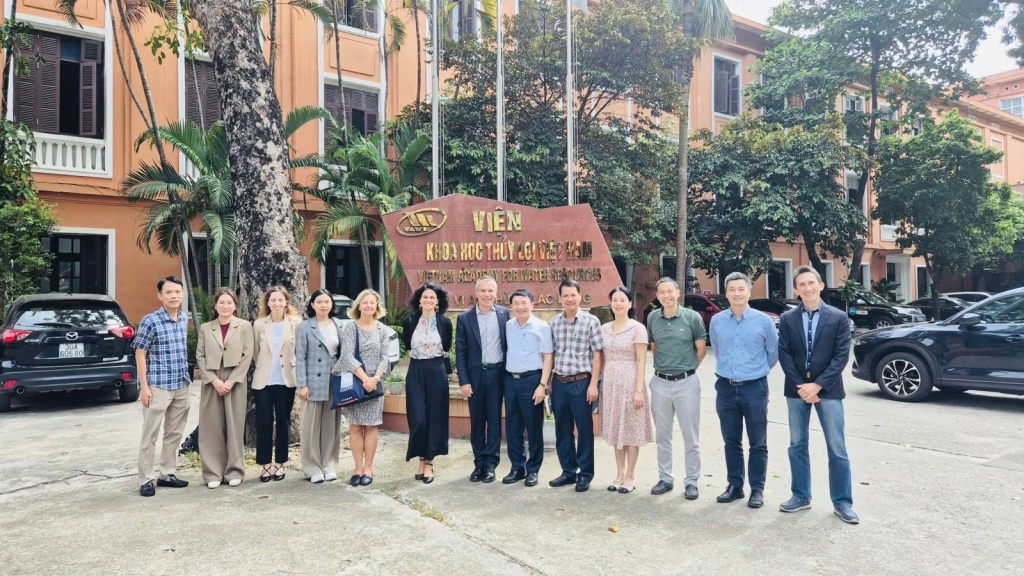
In the days leading up to the final workshop, a delegation composed of AICS, the Italian Embassy, and CIMA Research Foundation carried out a series of institutional visits to the Ministry of Agriculture and Environment / Department of Water Resources Management, the Department of Dike and Disaster Management, and the Viet Nam Academy for Water Resources (VAWR). These meetings served as an opportunity to consolidate ongoing collaboration, discuss technical results, and identify new areas for cooperation.
Such activities have strengthened the ties between Italian and Vietnamese institutions, confirming the value of scientific diplomacy as a means for mutual growth and cooperation.
Future perspectives
While the project concludes, the collaboration continues. The perspectives outlined during the workshop aim to further enhance the capacity of Vietnamese institutions in multi-basin planning and sustainable water resource management, expanding the use of digital and forecasting tools. At the same time, the exchange of regulatory and operational experiences will continue to consolidate the role of the River Basin Organizations and ensure an integrated, participatory approach to water governance.
As Luca Ferraris, President of CIMA Research Foundation, emphasized: “Scientific cooperation is not merely an exchange of knowledge, but the construction of mutual trust and a shared vision for the future — a trust that is born from technical dialogue, strengthened through research, and transformed into tangible solutions for the resilience of territories.”