
A review of scientific papers published by CIMA research Foundation researchers in 2019… waiting for those of the next year!
From hydrology and hydraulics to meteorology, from risk mitigation to the study of marine ecosystems, On the occasion of the holidays, we propose a review of the 2019 research papers and projects of CIMA Research Foundation.
Studying the snow
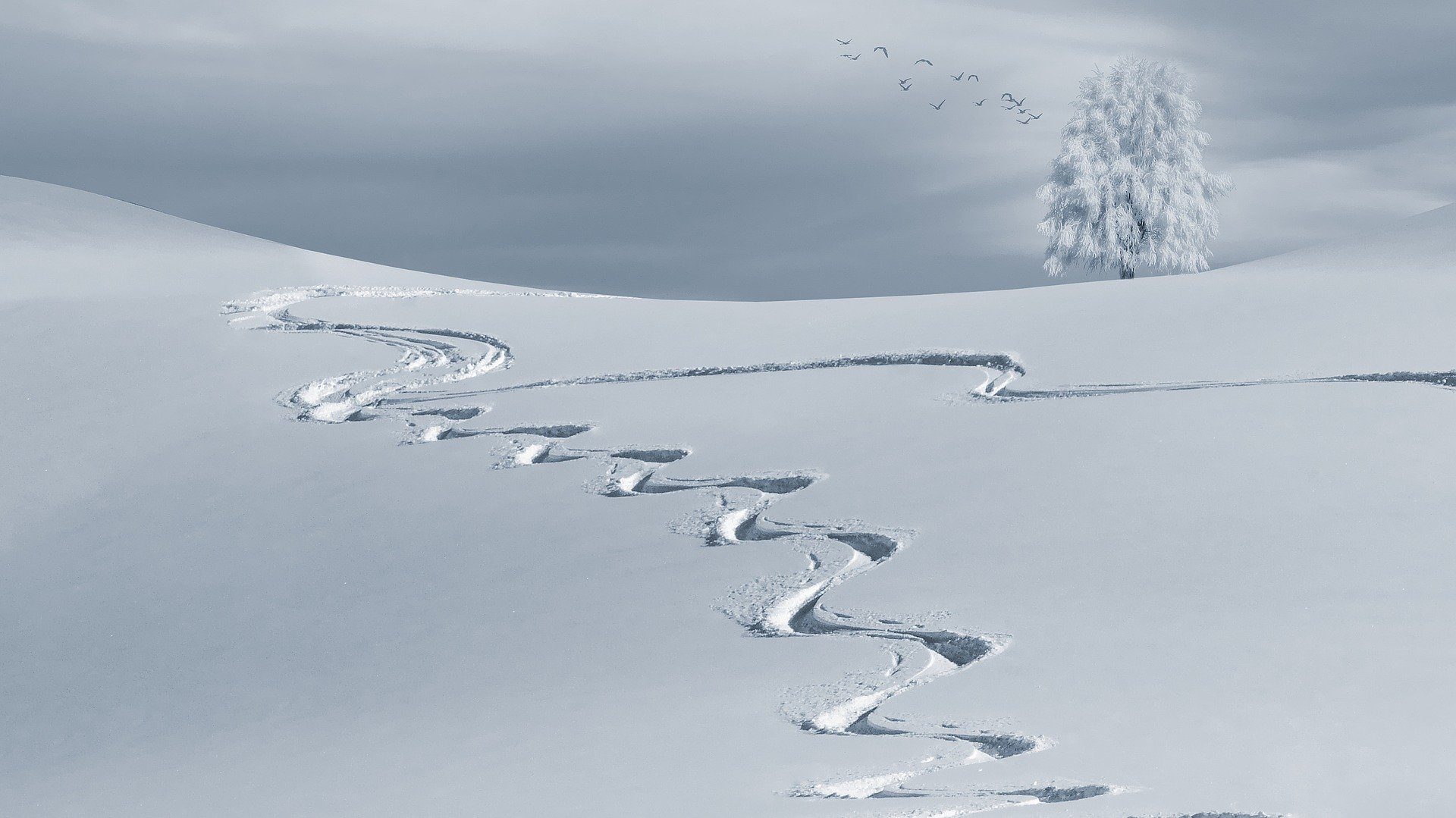
Starting with the more “wintry” studies, three are the papers concerning the snow. The first one is about the application of a specific technique of data assimilation, which allows combining the observed data with the information coming from forecasting models. This allows for evaluations about the snowpack, as precisely as possible. This information is very important, particularly in mountainous areas, because water resource management, hydroelectric energy production and flood prevention depend on the snowpack.
The second one is dedicated to another aspect of snow hydrology, and in particular to data gathering. Areas of interest cannot always be reached easily, particularly in regions with complex orography and under adverse climate conditions. Therefore, researchers of CIMA Research Foundation explored the possibility of using the satellites within the H-SAF project to gather large-scale information about the snowpack. The study, based on data gathered during two winters and in three regions of Finland, Turkey and Italy, showed the coherence between in situ and satellite data. Despite some limitations (for example, the clouds can hide the ground), therefore, satellite can be a useful tool for studies on the snowpack.
Eventually, in the paper published on Geophisical Research Letters, Francesco Avanzi, researcher of the Hydrology and Hydraulics Department, compared the simulations of a 3D model with micro-tomography measurement of the snow structure evolution during the fusion. The understanding of this process is crucial to better forecast the impact of floods mountain environments.
Rainfall and floods
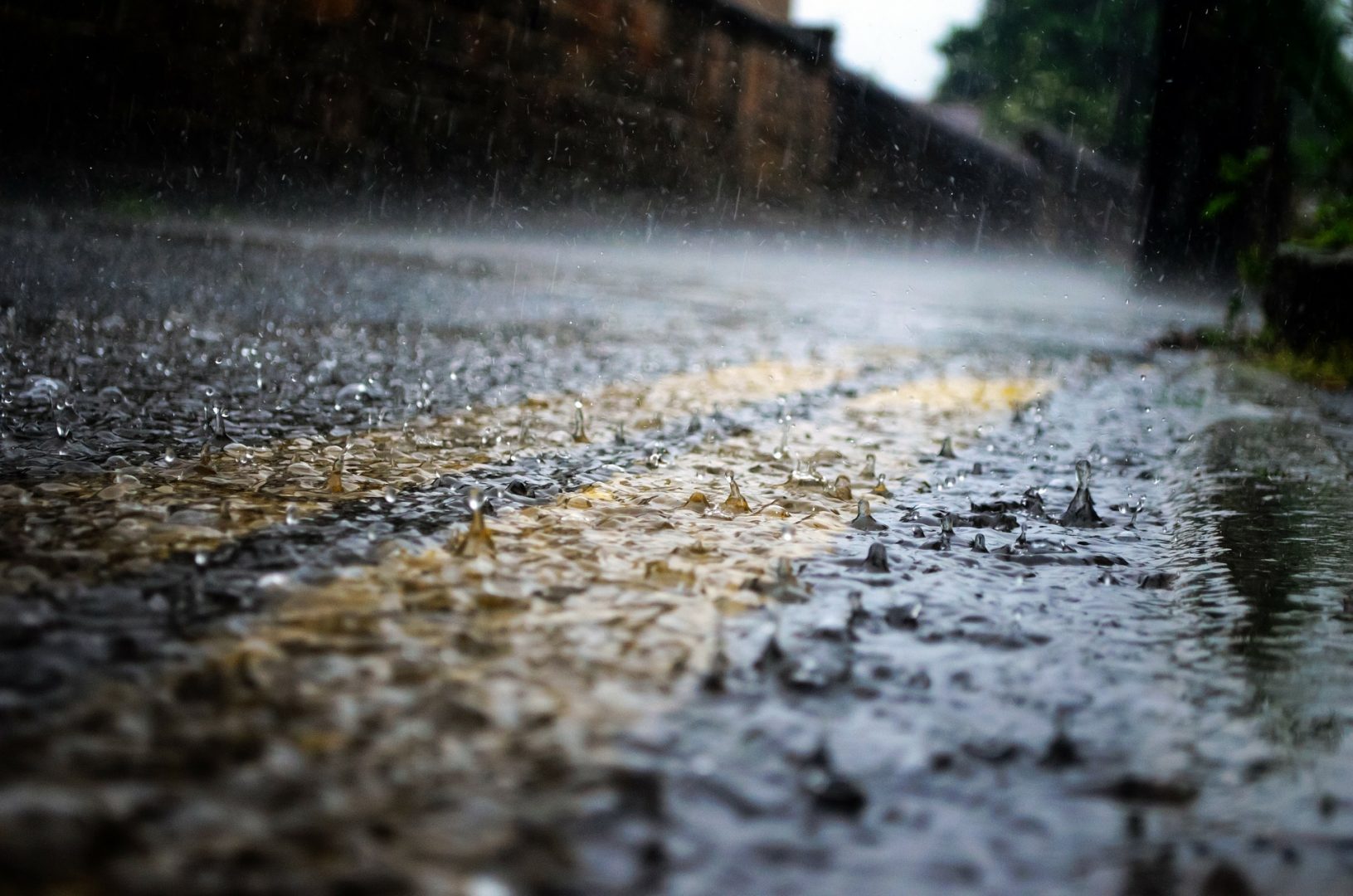
Various papers are focused on the modeling for studying, forecasting and monitoring the rainfall and floods, one of the main research area of CIMA Research Foundation. In the research led by the Meteorology and Climate Department, scientists analyzed the extreme phenomenon of downburst, very difficult to forecast with the current models. This allowed for the understanding of its base mechanisms, which in turn could help us understand how to better forecast the event. Talking again about phenomenon with an intrinsic unpredictability, data assimilation techniques have been explored for the back-building mesoscale-convective systems, a kind of thunderstorm, and in the field of flash floods forecasting on small basins, in order to understand where the rainfall will concentrate.
The effects of climate change and atmosphere pollutants are crucial in rainfall. The paper published on Scientific Reports is dedicated to this issue. Anna Napoli, PhD student of the University of Genoa working with the Meteorology and Climate Department of CIMA Research Foundation and with DISAT Department of the Milano-Bicocca University, and her colleagues, studied the time variability of rainfall distribution on lowlands and mountains. The study was conducted by analyzing a dataset comprising more than 3000 stations in the Italian Alps. The researcher found that from the 1950s to the mid 1980s, the rainfalls in lowlands decreased, while on mountains they remained the same. The following period saw a shift, with rainfall on mountains decreasing more than in lowlands. The decreased rainfall is considered an effect of the warming temperature. The different behavior of rainfall at different altitudes has been observed for the first time, and it has been related to the atmosphere pollutants.
From space to Earth (and back)
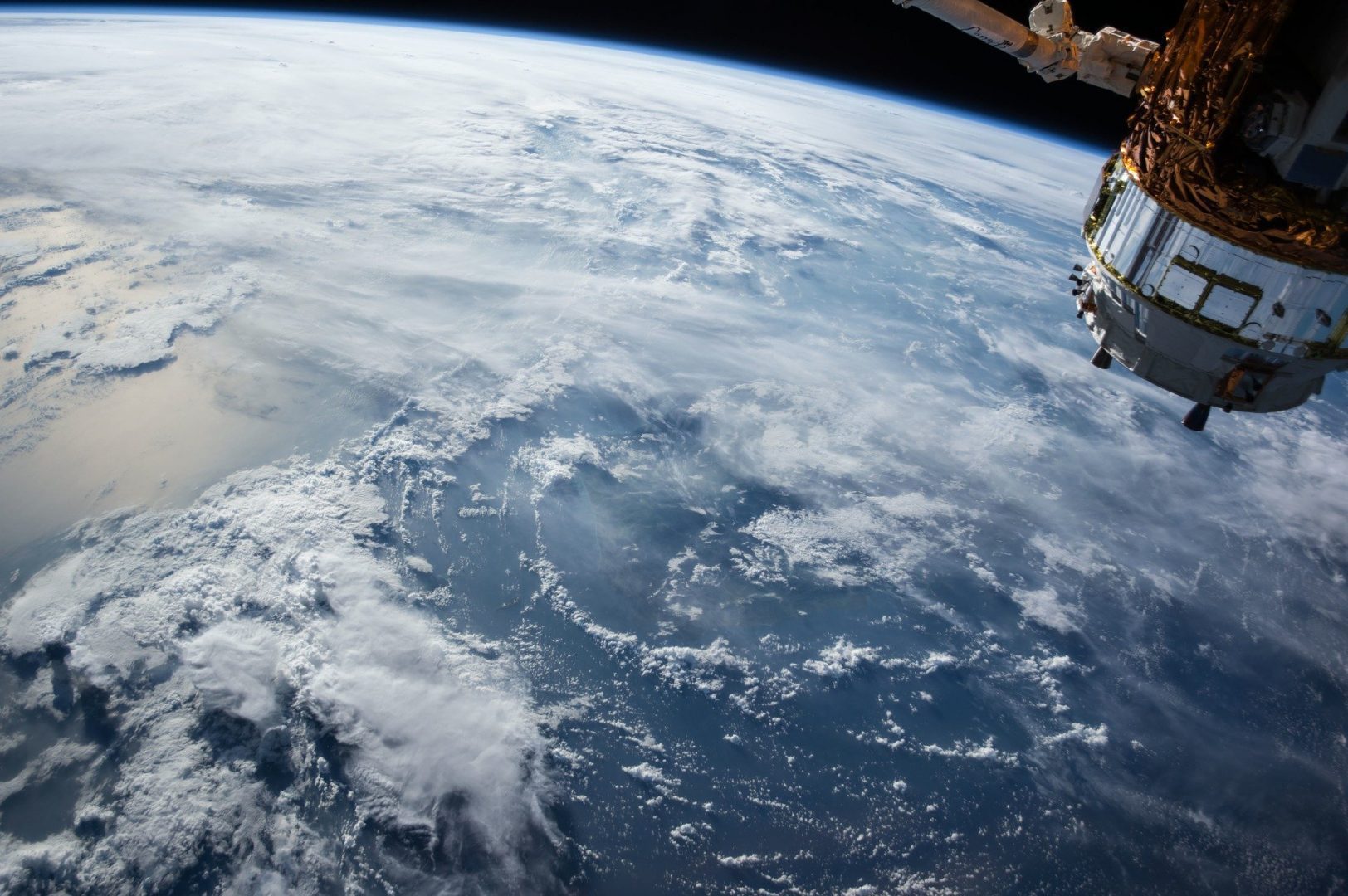
With the one about snowpack, other studies underlined the importance of satellites for integrating the information received by forecasting models. We cite the study led within the STEAM project, in which the Sentinel satellites of the European Space Agency have been used in synergy with the Global Navigation Satellite System (GNSS) for data assimilation on the meteorological model WRF. The assimilation of these data could improve the accuracy of forecasting. On similar base, in another paper the satellites provided data about the wind field and the GNSS about the water vapor to WRF. In both cases, satellites proven to be an important source of information for improving the forecast accuracy.
In another case, satellite (and more precisely, data coming from Sentil-1) provided data for the study signed by Luca Pulvirenti, head of the Earth Observation Department, and his colleagues. The data were used to assess, in a case study, the application of an algorithm for mapping floods not only of bare soils but also of urban areas, where monitoring is complex because of the presence of buildings.
The relationship between fires and floods is not always obvious. Actually, fires cause a series of changes in the hydraulic properties of the soil and alter the vegetation, influencing floods. Data provided by Sentinel satellites allowed the assessment of severity of the fires occurred in July 2017 in the area of Montoro (municipality of Avellino, Italy). On the base of this assessment, it was possible to establish the main factors triggering four floods during the fall of the same year. In particular, the paper highlights how fires increase the soil susceptibility to erosion, because the vegetation partially protects it from the rain. It represents an important consideration for establishing the thresholds for early warning systems.
Risk assessment

A huge part of research of CIMA Research Foundation is dedicated to risk deriving from natural disasters. The risk assessment requires various parameters be taken into account. For example, what is the possibility that a certain event might occur? And if it occurs, what damage might a defined area suffer?
Modeling is fundamental to answer these questions before an actual event. The paper published in the Journal of Hydrology presents a methodology for the real time assessment of the possible impact of flash floods. This is based on a forecast chain including a 2D hydraulic model and a damage estimation model allowing the quantitative impact of the flood in terms of involved persons and economic losses. The results of this kind of forecasts, the authors write, allow proposing a decision making process in the field of operative civil protection. It also allows for the improvement of early warning systems, explored in a paper presenting a comparison between two different real time forecast for flood hazard, applied on three important events which hit the Liguria region in 2014.
Again concerning floods, another research paper analyzed how digital terrain models (3D representation of the Earth surface) can be used to assess the flood impact.
Eventually, a paper signed by Roberto Rudari, director of the Probabilistic Multi-Risk Assessment and Loss Data of CIMA Research Foundation, and his colleagues, presented the proposal of schemas for overcoming one of the main difficulties of risk assessment, that is the gathering and analysis of data upfront the assessment.
Studies on and for marine ecosystems
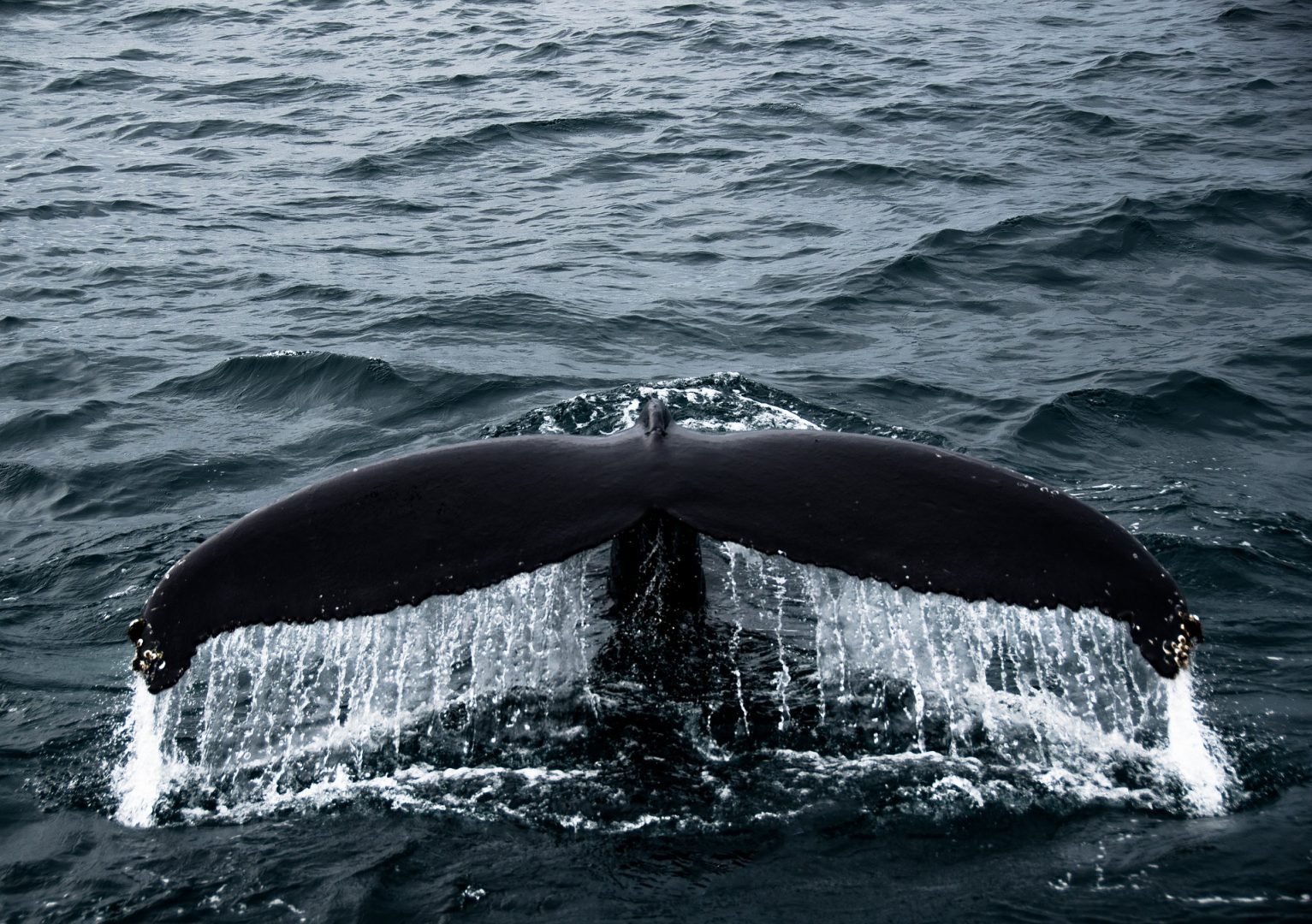
The Marine Ecosystems Department of CIMA Research Foundation has been working for many years on the study of the sea and its inhabitants, with particular regard to cetaceans. They published three papers this year.
The first one, published on Scientific Data in September 2019, describes the first project ever realized in the offshore waters of the North-West Atlantic on the presence of marine mammals. The project realized a considerable geographic coverage, analyzing the area from the Azores to Cape Verde, including the entire Macaronesia.
Systematically gathered, these data allowed obtaining information about the distribution of poorly known pelagic species. The work was done within the Portuguese CETUS project, born in the footsteps of CETASMUS Programme of CIMA Research Foundation.
The second paper, published on JMBA, is also dedicated to the study of cetacean distribution, and one species in particular. It is the common dolphin (Delphinus delphis), one of the species most frequently seen in the North-East Atlantic but rare in the Mediterranean Sea. Its temporal and spatial distribution is still poorly understood. Data gathered in five years of monitoring allowed the establishment of the drivers of its distribution both offshore and in coastal waters, highlighting its absence in the area of Canary Islands and Cape Verde. The researchers also developed a statistical model allowing the assessment of the habitat of the species. Combined with data about the distribution, the model represents a useful tool in order to identify the dolphin’s most important areas, on which concentrate conservation efforts.
The last work takes a different perspective. It was born by a scientific expedition in the Ionian Sea in 2017 and led by our researcher Massimiliano Rosso. The research paper is about the rough-toothed dolphin (Steno bredanensis), a poorly known species recently inserted in the list of species seen in the East Mediterranean Sea. Its distribution and abundance are mostly unknown, and therefore it is difficult to assess its conservation status. During the 2017 expedition, it has been possible to record the vocalization of a rough-toothed dolphin. The researcher then studied the echolocation pattern (the system by which cetaceans and bats emit vocalizations and get information from the echo coming back) used during hunting and socialization.
This information not only says a lot about the biology and the ethology of the species, but is also important for monitoring. The passive acoustic monitoring is in fact based on marine mammals’ vocalization, using hydrophones to detect, monitor and localize cetaceans.