
A snow-rich April in the North closes the 2024/25 hydrological season with a mixed outlook: unexpected recoveries, persistent deficits, and strong regional contrasts. What can we expect for the summer?
May offers the image of a landscape in transition, yet the transformation is not merely visual. Attention shifts from the white surface of snow to its hydrological footprint—the water it releases as it begins to melt. This is a transitional moment that invites us to closely examine what remains of the cold season: how much water, in what form, and with what distribution. The sixth and final monthly snow update by CIMA Research Foundation for the 2024/2025 season becomes a lens through which to interpret the effects of a “whimsical” and irregular winter, marked by heavy snowfalls and sudden melting events, and the challenges that lie ahead.
The national figure shows a partial but noteworthy recovery: –27% compared to the seasonal average. Yet behind this number lies a complex geography, characterized by stark contrasts across regions, elevations, and catchments.
Spring in the North: between melting and recovery
“It wasn’t just a feeling—there really was a lot of snow in April along the Po River basin. In just 48 hours, nearly one billion cubic meters of water in the form of snow were deposited, about 20% of the seasonal average,” explains Francesco Avanzi, researcher in the Hydrology and Hydraulics Department at CIMA Research Foundation. “But only ten days earlier, a single heatwave had already melted an even greater volume. It’s the sign of a mountain range in unstable equilibrium.”
In Northern Italy, the season unfolded on the edge of uncertainty. April’s recovery followed a winter with unstable dynamics: intense snowfalls were quickly followed by rapid melting. In the Po River basin, this resulted in severe fluctuations of the Snow Water Equivalent (SWE), with significant implications for short- and medium-term water resource management.
The Adige basin also showed a partial recovery, although more modest: –20%, a figure within typical variability for the period. However, the snowpack in the Northeast is already in an advanced stage of melting, and it is expected that its contribution to river flows in the area will continue for several more weeks.
Apennines on the sidelines: the snow that wasn’t
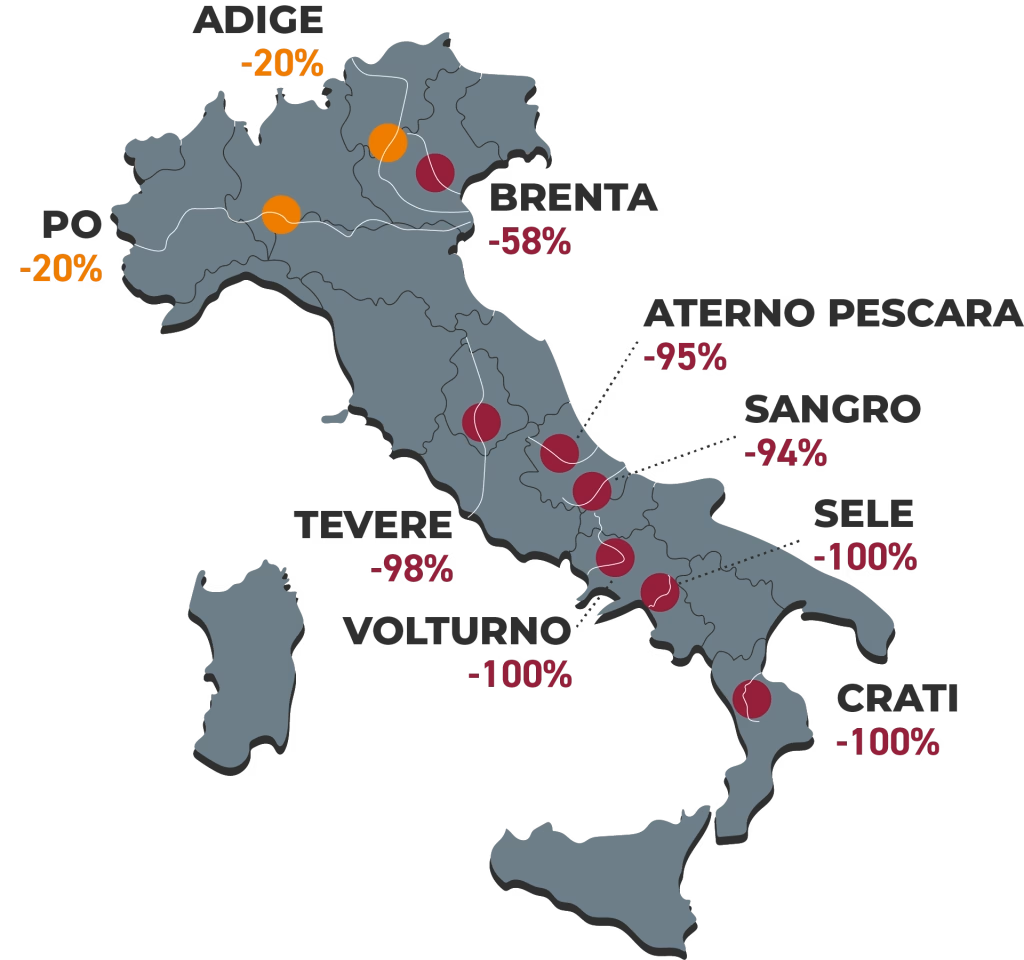
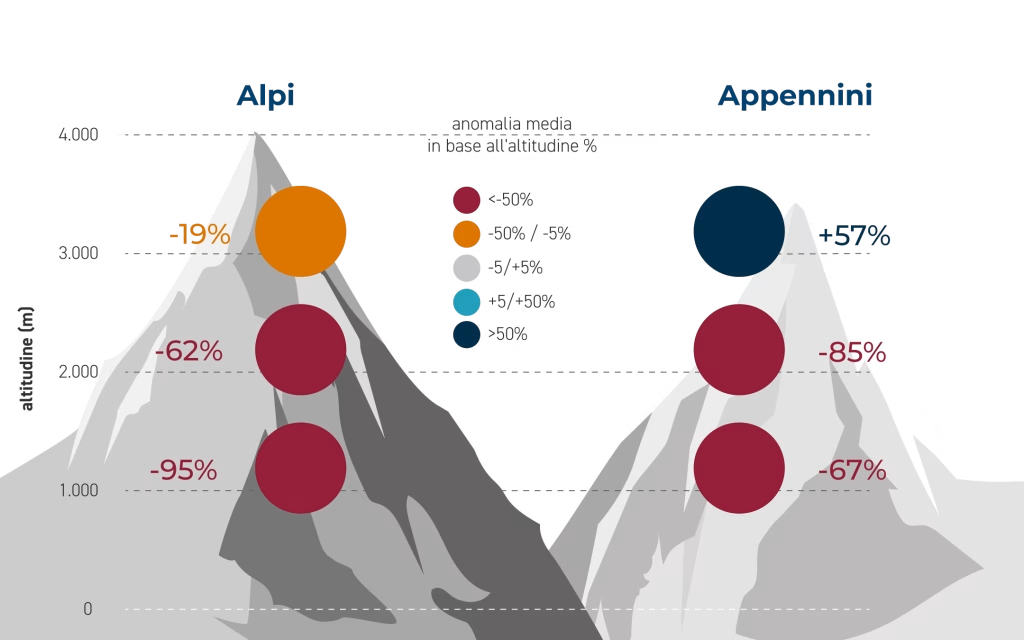
While the North presented an unpredictable climate, the Apennines experienced a more linear—and severe—pattern: scarce snowfall and persistently high temperatures. In the Tiber basin, the 2024/25 snow season is effectively over, and arguably never truly began. And the issue is not just a matter of timing. Elevation plays a decisive role.
Data show that areas below 2000 meters above sea level are the most affected. In both the Alps and the Apennines, snow accumulation is significantly lower at these altitudes. These are the zones most vulnerable to a warmer and more variable climate, where even minor thermal fluctuations can lead to substantial losses in snow-derived water resources.
South in difficulty, North on the edge: looking beyond the snow
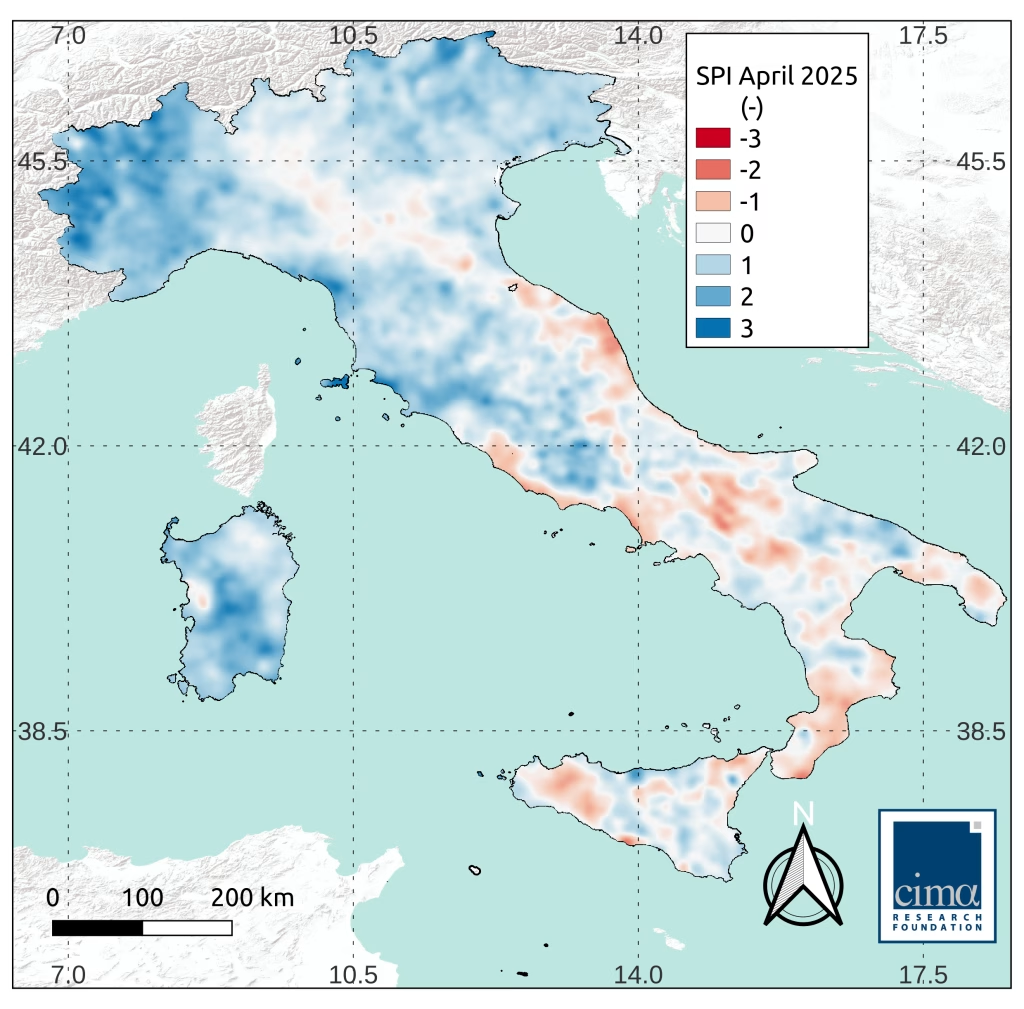
With snow now melting or entirely absent, it is the water stored in lakes, reservoirs, and soil that defines the current hydrological status of the country. And here, new contrasts emerge. April not only brought snowfall to high elevations but was also unusually rainy in Central and Northern Italy.
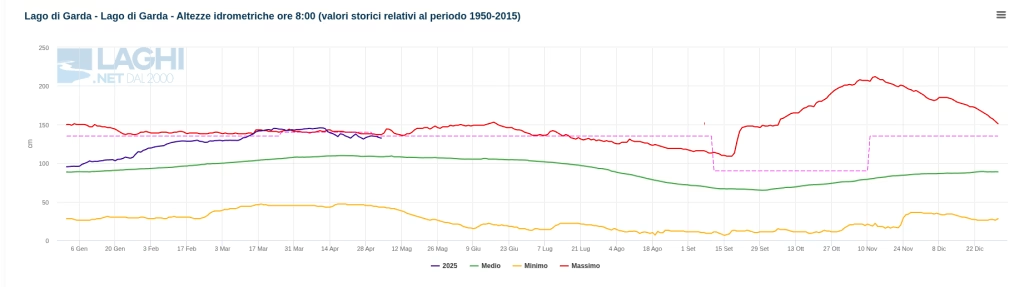
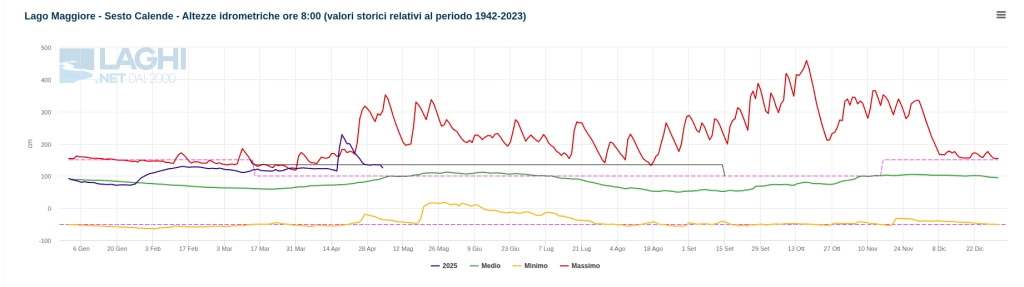
This led to above-average storage levels in the major northern lakes: for example, Lake Garda reached levels close to the historical maximum for the 1950–2015 reference period1.
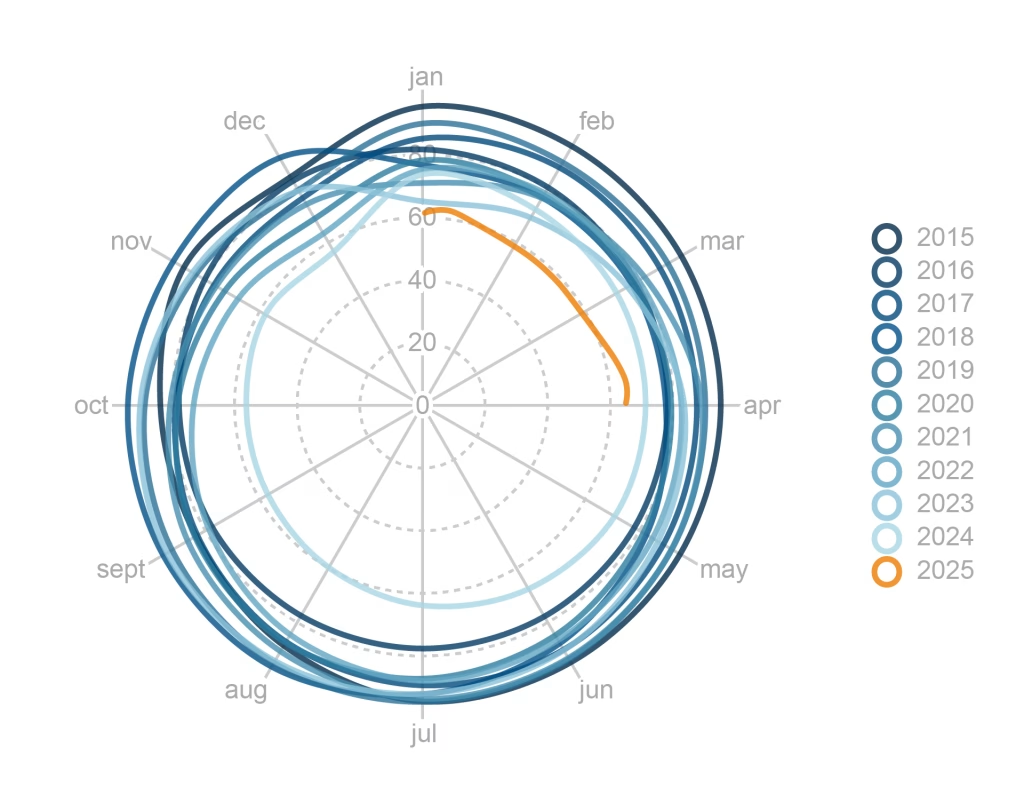
In contrast, conditions in the South remain critical. After a year marked by drought and a winter with scarce precipitation, reservoirs continue to show low levels. The San Giuliano reservoir in Basilicata, monitored by CIMA Research Foundation for the Italian Civil Protection Department, has reached surface extents close to the lowest levels recorded since 2016.
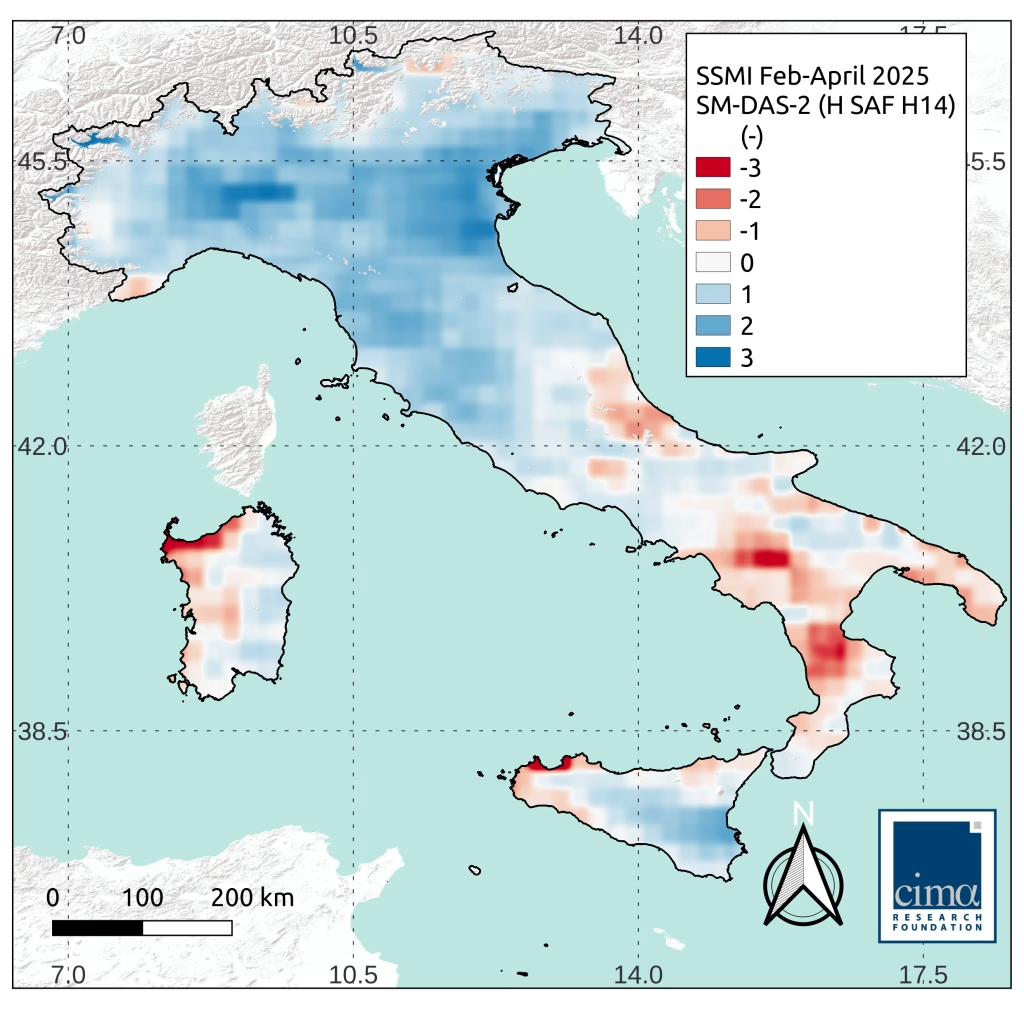
Soil moisture analyses in the first 30 cm of depth—based on data from EUMETSAT HSAF—confirm this picture: Central-Northern Italy shows average or above-average values, while the South continues to face challenges.
Heading into summer: uncertain forecasts and close monitoring of the south
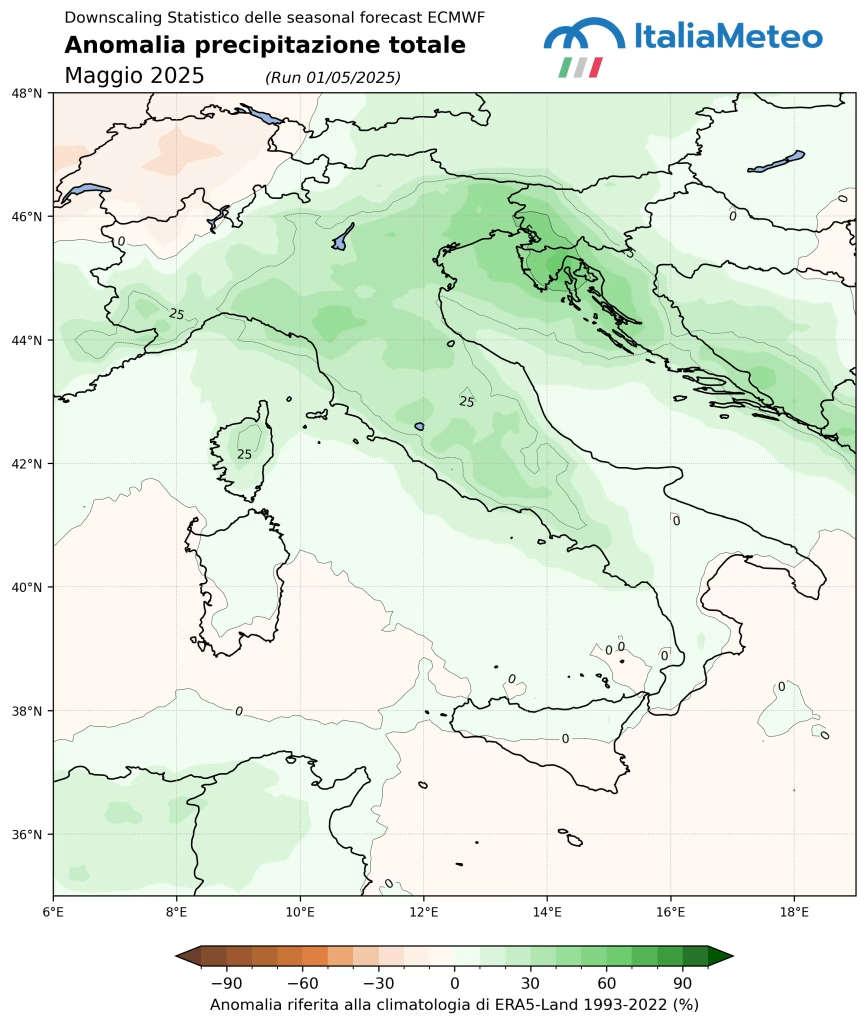
And what about summer? The question is inevitable, but for now the answer remains cautious. Seasonal forecasts, provided by the agency ItaliaMeteo based on ECMWF models, indicate average temperatures in May for the North and Tyrrhenian regions, while positive anomalies of up to +1°C are expected in the Adriatic side and the South. Precipitation is projected to be above average in the Centre-North, and in line with the average for the South and the islands.
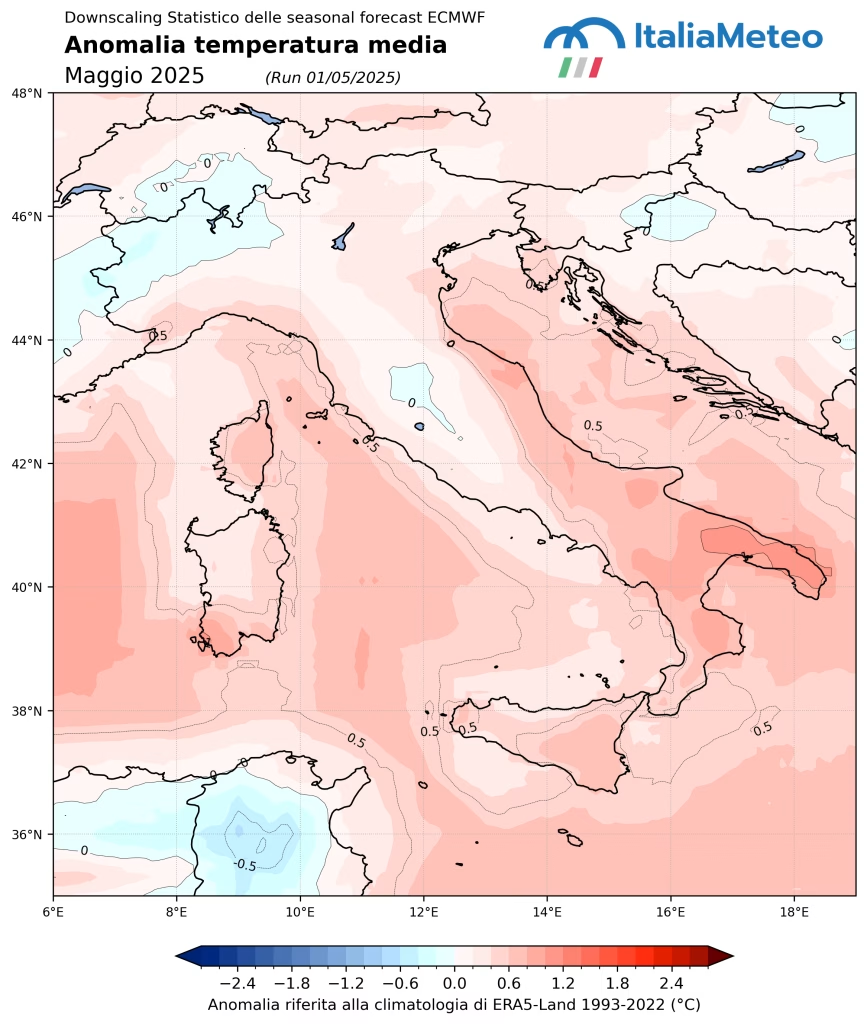
In conclusion, conditions in the North appear consistent with seasonal norms, aided by recent rainfall. In Central and Southern Italy, however, critical issues persist—exacerbated by a winter that offered little in terms of snow or rain.
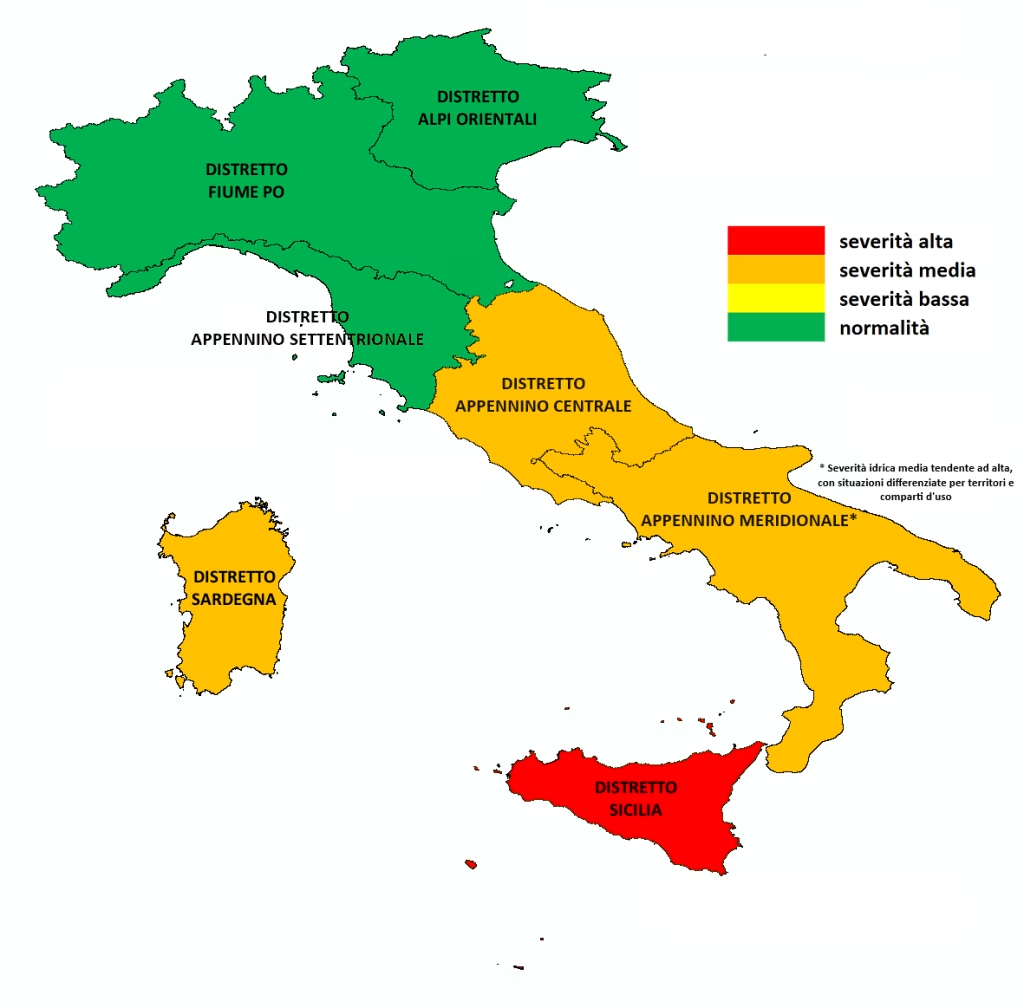
This scenario aligns with the national drought severity assessment developed by ISPRA in collaboration with the River Basin District Authorities2. According to these evaluations, the South is the area that will require the most careful monitoring in the coming months, both in terms of water availability and the potential evolution toward prolonged hydrological stress.
A season ends, but monitoring continues
With this update, the series of monthly analyses on Italy’s snow water resources for the 2024/25 season comes to a close. It is more of a pause than a farewell: the researchers at CIMA Research Foundation will continue to monitor hydrological conditions throughout the summer, with a focus on drought, and will resume Snow Water Equivalent updates in December. In a country where water is both precious and fragile, understanding how snow falls, melts, and is distributed remains a scientific challenge—one as urgent as it is compelling.
- The data presented here are sourced from the portal https://laghi.net/Page/laghi, managed by the Regulatory Authorities of the Large Alpine Lakes, another Competence Centre of the Italian Civil Protection System. ↩︎
- See also: https://www.isprambiente.gov.it/pre_meteo/idro/SeverIdrica.html . ↩︎